
🕓 2024/12/01
#Hot Springs
A Complete Guide to the History and Overview of Atami Onsen
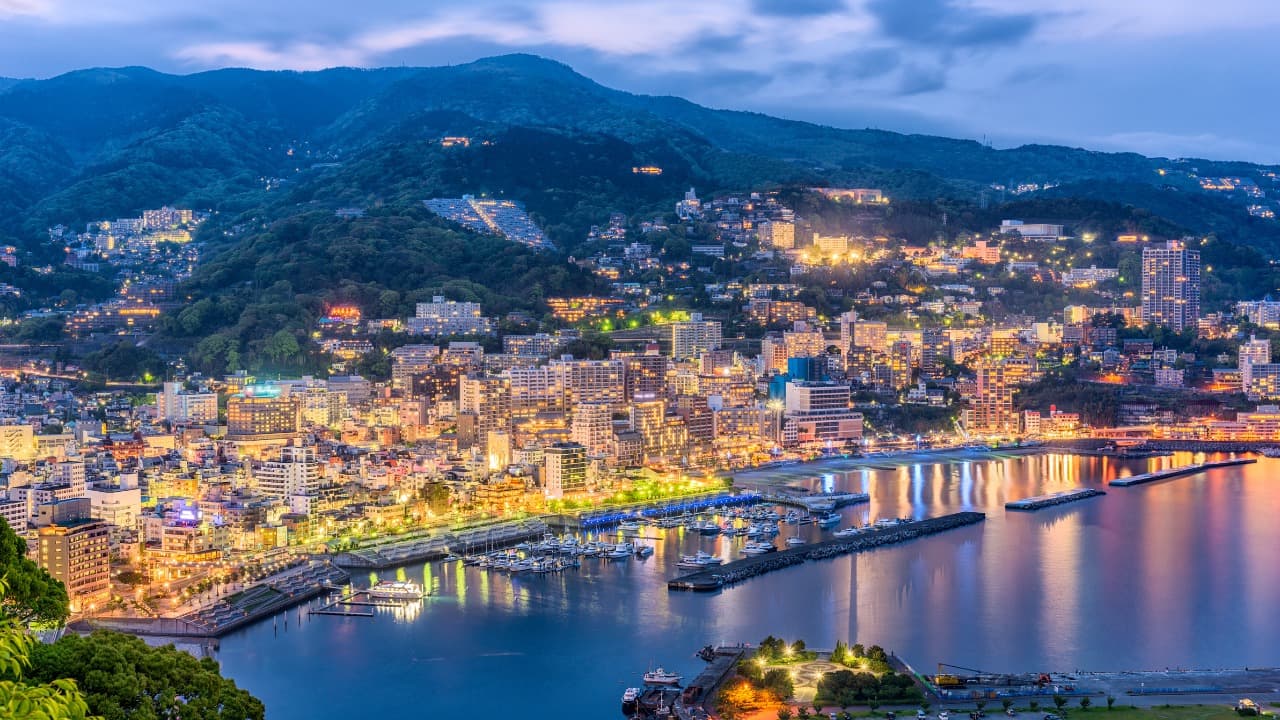
Table of Contents
Introduction
Atami Onsen is one of Japan’s finest hot spring destinations, combining a long history with abundant natural beauty. The hot spring town features retro streetscapes reminiscent of the Showa era, offering food tours where you can enjoy local specialties and atmospheric accommodation experiences.
Additionally, there are various tourist attractions including shrines and gardens where you can feel history, as well as modern art museums and resort facilities, providing visitors with diverse enjoyment.
In this article, we will explore the characteristics and history of Atami Onsen and introduce must-visit tourist attractions in detail. Now, let us guide you to the fascinating world of Atami Onsen!
What is Atami Onsen?
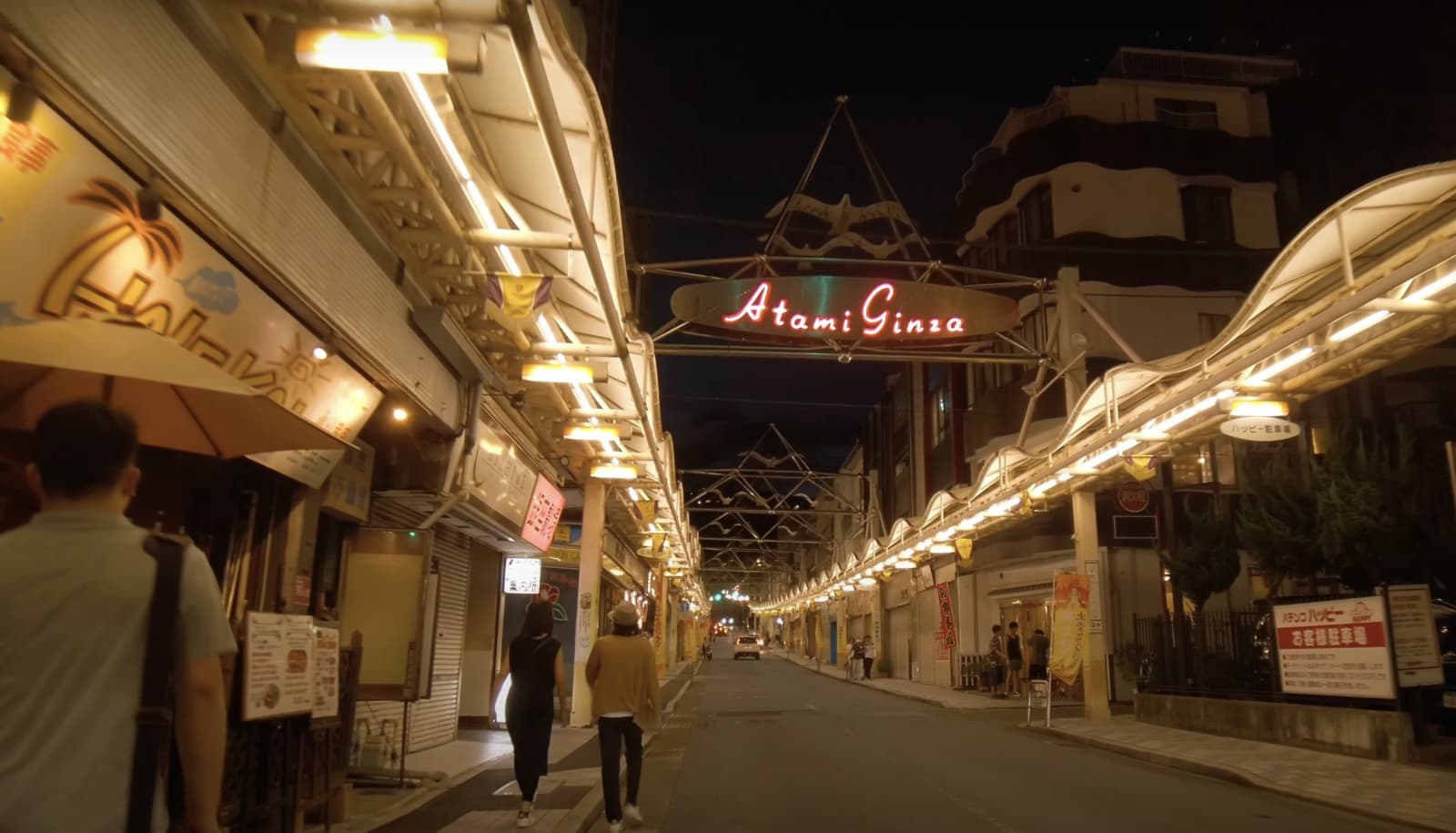
Atami Onsen is one of Japan’s most representative hot spring destinations, located in Atami City, Shizuoka Prefecture. Along with Beppu Onsen and Ito Onsen, it is called one of “Japan’s Three Great Hot Spring Destinations.” The hot spring town features retro streetscapes evoking the Showa era, simultaneously stirring nostalgia and offering fresh charm. In particular, Heiwadori Shopping Street and Nakamisedori Shopping Street feature rows of old buildings evoking the Showa era. These shopping streets offer a variety of foods using fresh local seafood and specialties, and food tours have become a popular activity.
The history of Atami Onsen dates back to ancient times. The Izu Fudoki (713) records that “before the descent of the heavenly grandchild, Onamuji no Mikoto worried about the premature deaths of the people of Japan and taught Sukunahikona no Mikoto the arts of medicine and hot springs and sent him to the divine hot spring of Izu Province”. The “divine hot spring”in this legend is believed to be Atami Onsen, which is considered its origin.
During the Edo period, Tokugawa Ieyasu visited Atami Onsen in 1604 for therapeutic purposes, and after the hot spring water began being transported to Edo Castle, many daimyo and cultural figures began using Atami Onsen.
Atami Onsen has more than 500 hot spring sources, boasting an abundant water volume of approximately 20,000 liters per minute. The hot spring water is primarily composed of sodium-calcium-chloride springs, accounting for approximately 80% of the total. Additionally, approximately 90% of the sources are high-temperature springs exceeding 42 degrees Celsius, with an average temperature of about 63 degrees, making it known as one of Japan’s highest-level high-temperature hot spring resorts. Atami Onsen water is colorless and transparent, with excellent heat retention and skin beautifying effects. The hot spring water is also known to be effective for wounds, burns, chronic skin diseases, weak constitution, and chronic gynecological conditions.

Atami Onsen has seven sources known as the “Atami Seven Hot Springs,” beloved since the Edo period. These sources are Oyu, Nonakayu, Ozawanoyu, Furonoyu, Menoyu, Seizaemonnoyu, and Kawarayu, which have now been restored as tourist attractions.
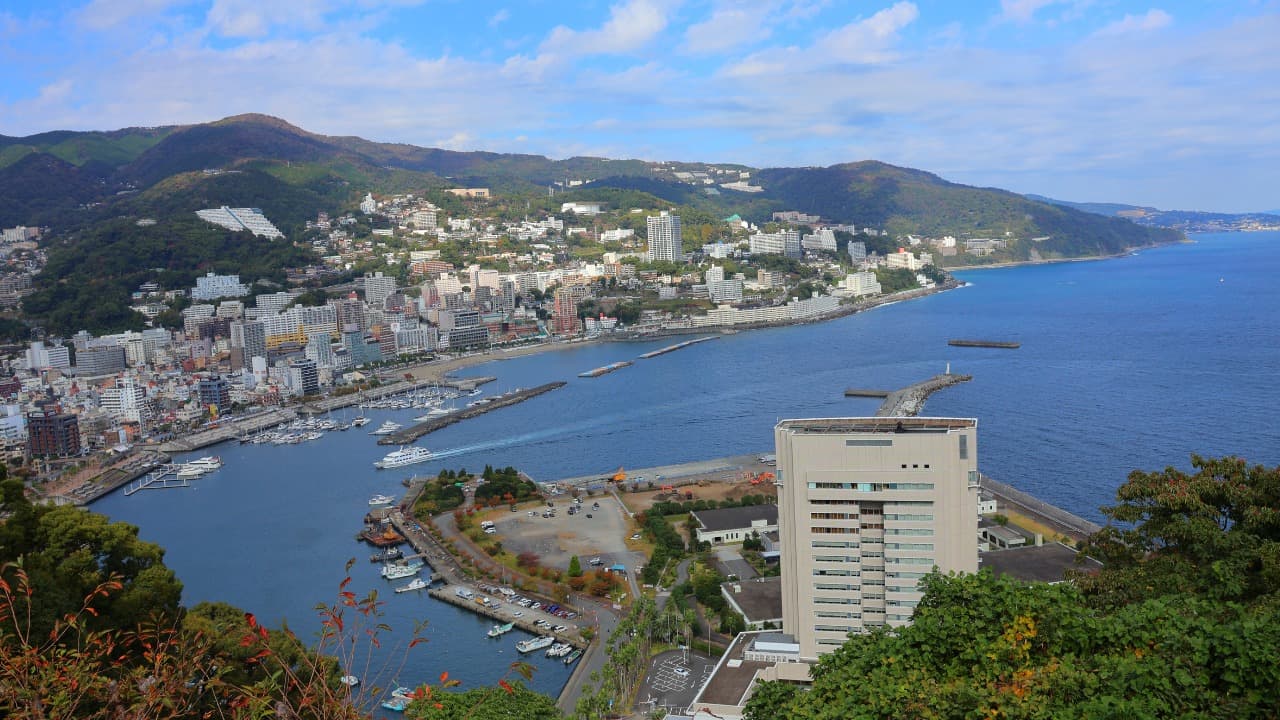
Atami Onsen boasts a beautiful coastline facing Sagami Bay and a rich natural environment, with many ryokan and hotels in the hot spring town. Additionally, Atami Station is the starting station of the Ito Line, reachable in about 50 minutes by Shinkansen from Tokyo, making it a beloved hot spring destination for visitors from the greater Tokyo area. Furthermore, various events including fireworks festivals are held year-round, keeping the area lively with many tourists.
History of Atami Onsen
Atami Onsen is a representative hot spring destination located in Atami City, Shizuoka Prefecture, Japan, with its history shaped by various important events from ancient to modern times. The major events are organized in chronological order below.
1. 713: Records in the “Izu Fudoki”
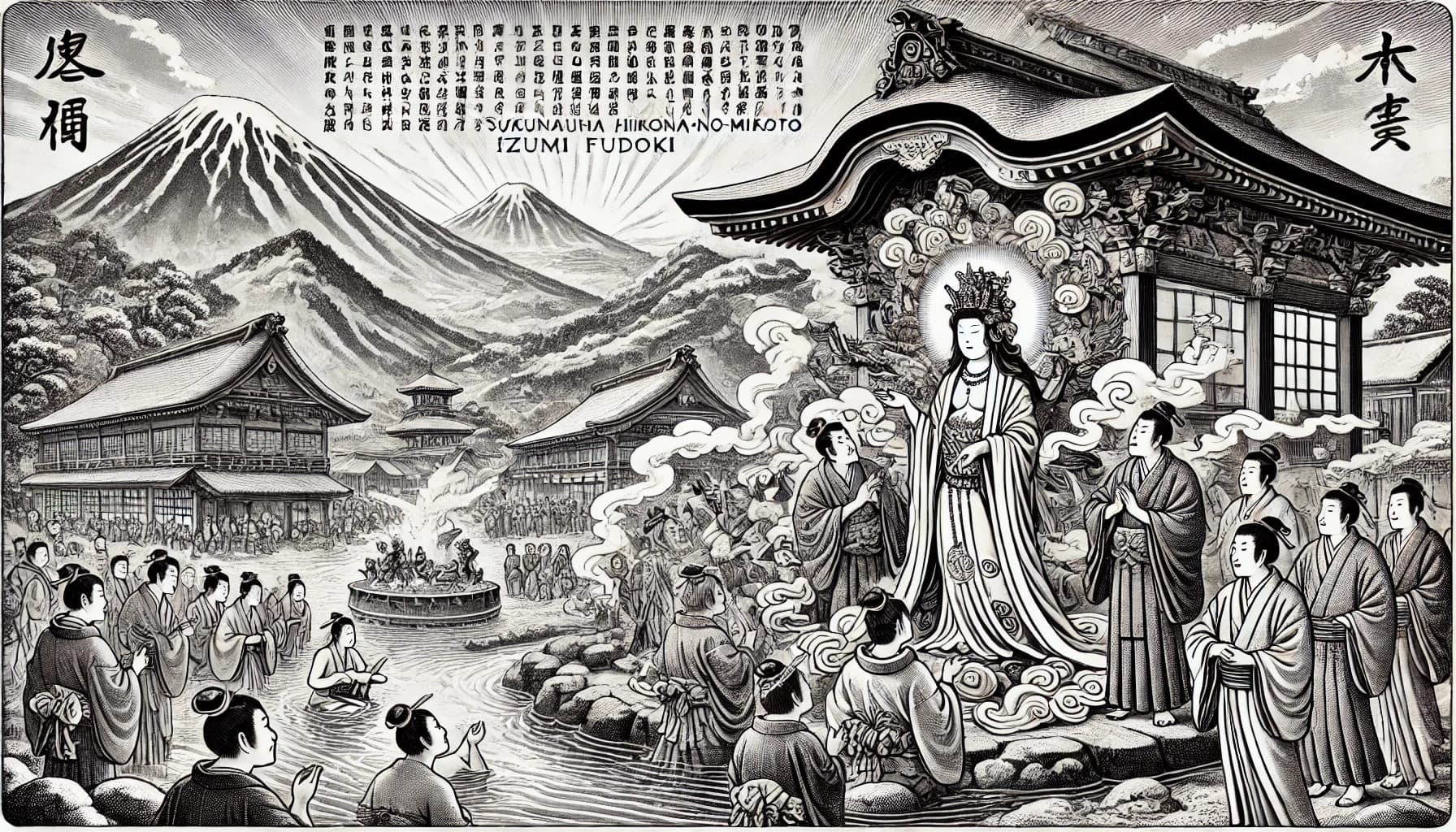 *Illustration image
The “Izu Fudoki” is a regional record compiled during the Nara period, covering the geography, products, and legends of the Izu region. This record contains legends related to Atami Onsen.
It is said that Onamuji no Mikoto, worried about the people of Japan dying at a young age, taught Sukunahikona no Mikoto the arts of medicine and hot springs and sent him to the sacred hot spring of Izu Province. This “divine hot spring” is known to be Atami Onsen, believed to be its origin. This legend demonstrates that hot springs have been used for health and healing since ancient times.
2. 1604: Visit by Tokugawa Ieyasu
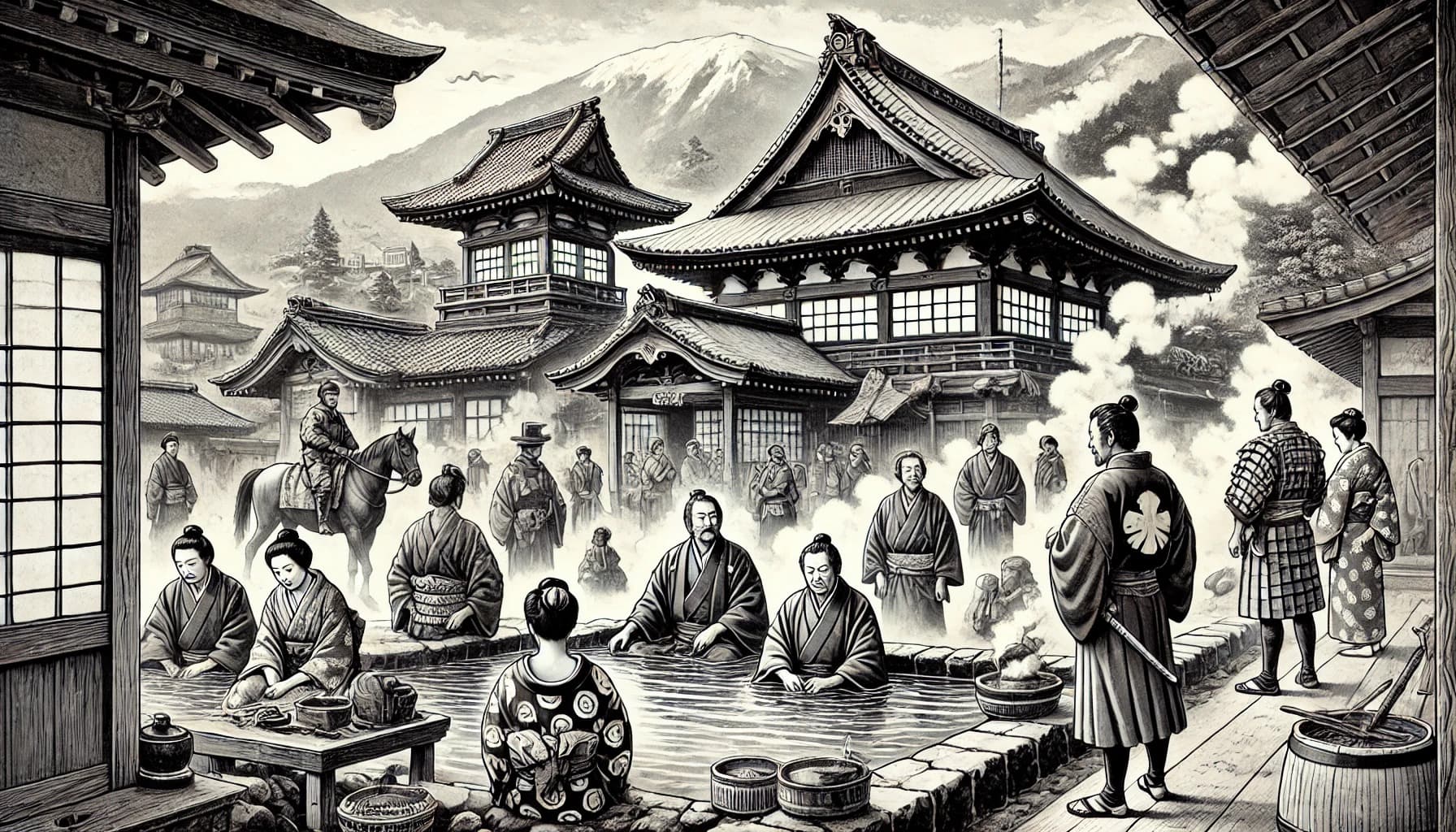 *Illustration image
In the early Edo period, Tokugawa Ieyasu visited hot springs across Japan for health promotion and recuperation. In March 1604 (Keicho 9), on his way to Kyoto, he visited Atami Onsen and stayed for seven days to enjoy therapeutic bathing.
It is said that Ieyasu was accompanied by his sons Yoshinao and Yorinobu, and the family enjoyed the hot springs together. Ieyasu was very fond of the Atami hot spring water, and in July of the same year, he sent five barrels of Atami hot spring water to Fushimi in Kyoto to comfort the lord of Iwakuni domain, Kikkawa Hiroie, who was suffering from illness.
Following this event, Atami hot spring water began being regularly transported to Edo Castle, a custom called “Okumiyu.” This practice officially began during the time of the fourth Shogun, Tokugawa Ietsuna. During the Kyoho era (1716-1736), records show that 3,643 barrels of hot spring water were transported to Edo Castle over nine years by order of the eighth Shogun, Tokugawa Yoshimune.
3. 1666: Establishment of Public Bath “Kawarayu” for Common People
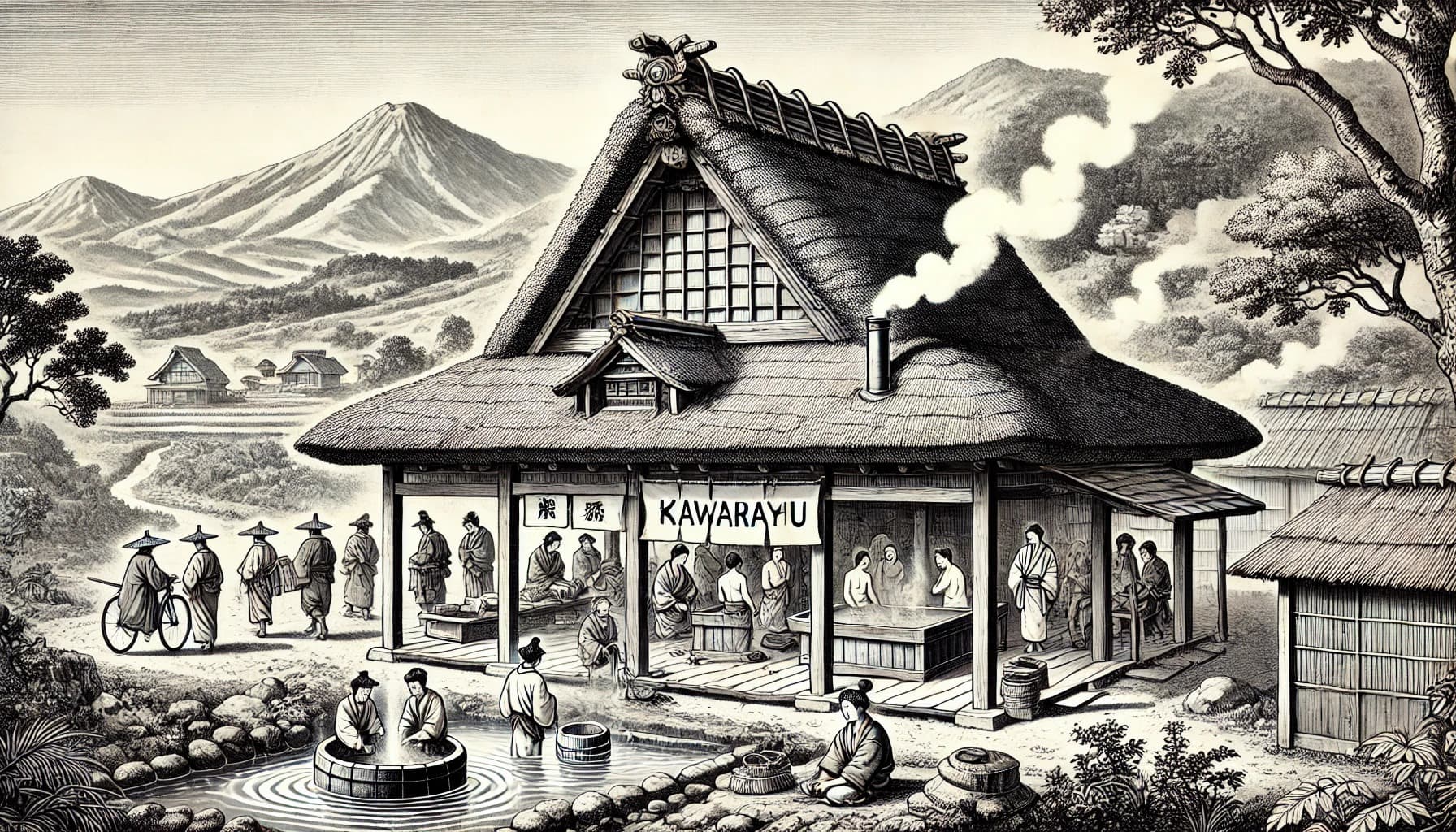 *Illustration image
In 1666 (Kanbun 6), Odawara Castle Lord Inaba Mino-no-kami established a bathhouse for the common people of Atami village, including farmers and fishermen. At that time, the main hot spring source “Oyu” was primarily used by those seeking therapeutic bathing, and other spring sources were only permitted for use by certain families.
As a result, the only hot spring freely available to villagers was “Kawarayu,” which was cherished as a precious bathing place. This bathhouse was called “Kawarayu” because it was covered with a tile roof, and it was said to be effective for cold sensitivity, neuralgia, and rheumatism.
4. 1923: Impact of the Great Kanto Earthquake
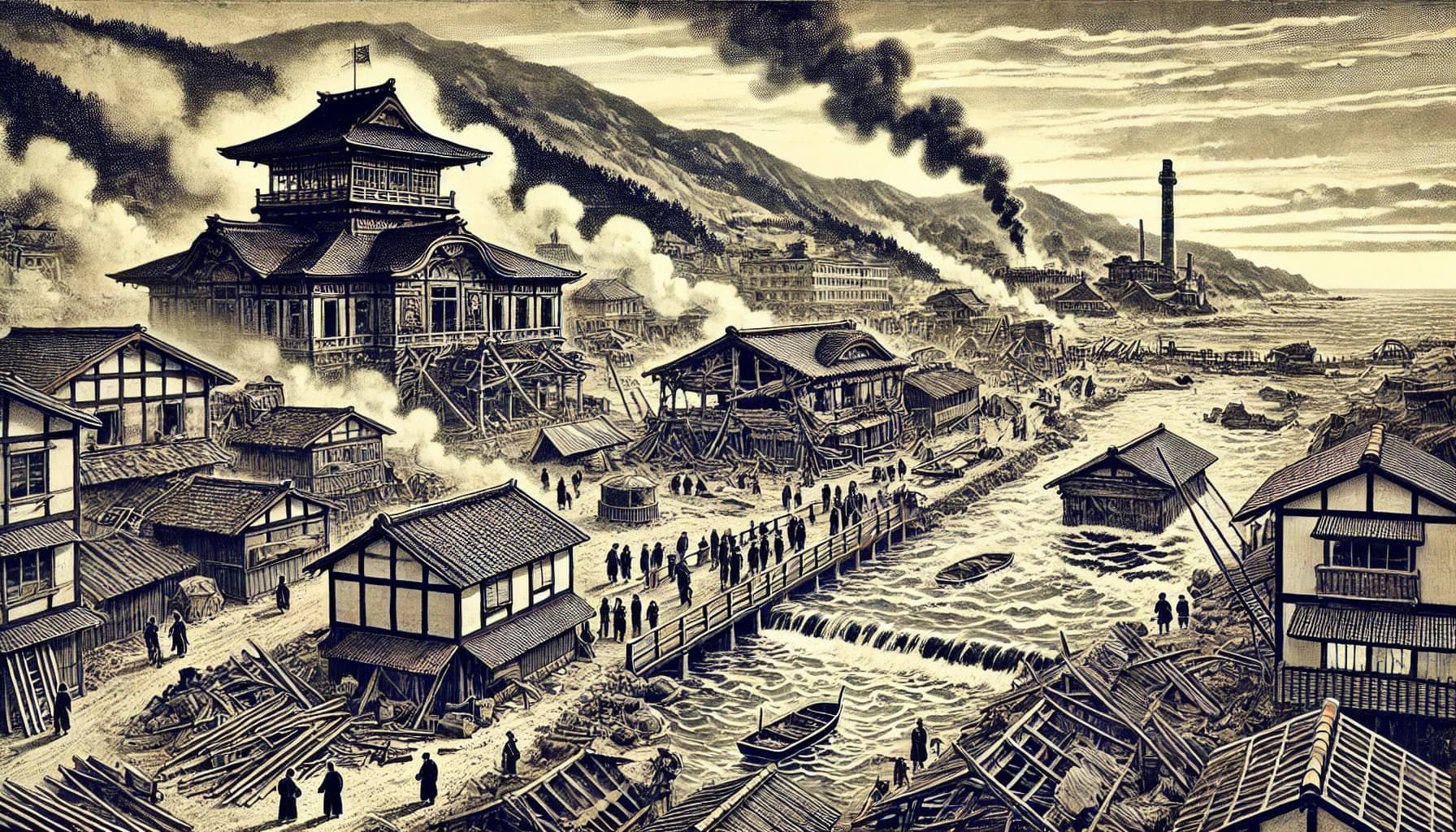 *Illustration image
On September 1, 1923 (Taisho 12), the Great Kanto Earthquake had a major impact on Atami Onsen. The earthquake caused serious tsunami damage to Atami City, but conversely, large-scale hot spring water erupted, temporarily overflowing to the point that excess water flowed into the sea.
However, after half a year, the hot spring water output decreased and an unstable state continued. To resolve this issue, hot spring stakeholders established the “Atami Onsen Association” to strengthen the management and regulation of spring sources.
5. 1962: Artificial Restoration of the Oyu Geyser
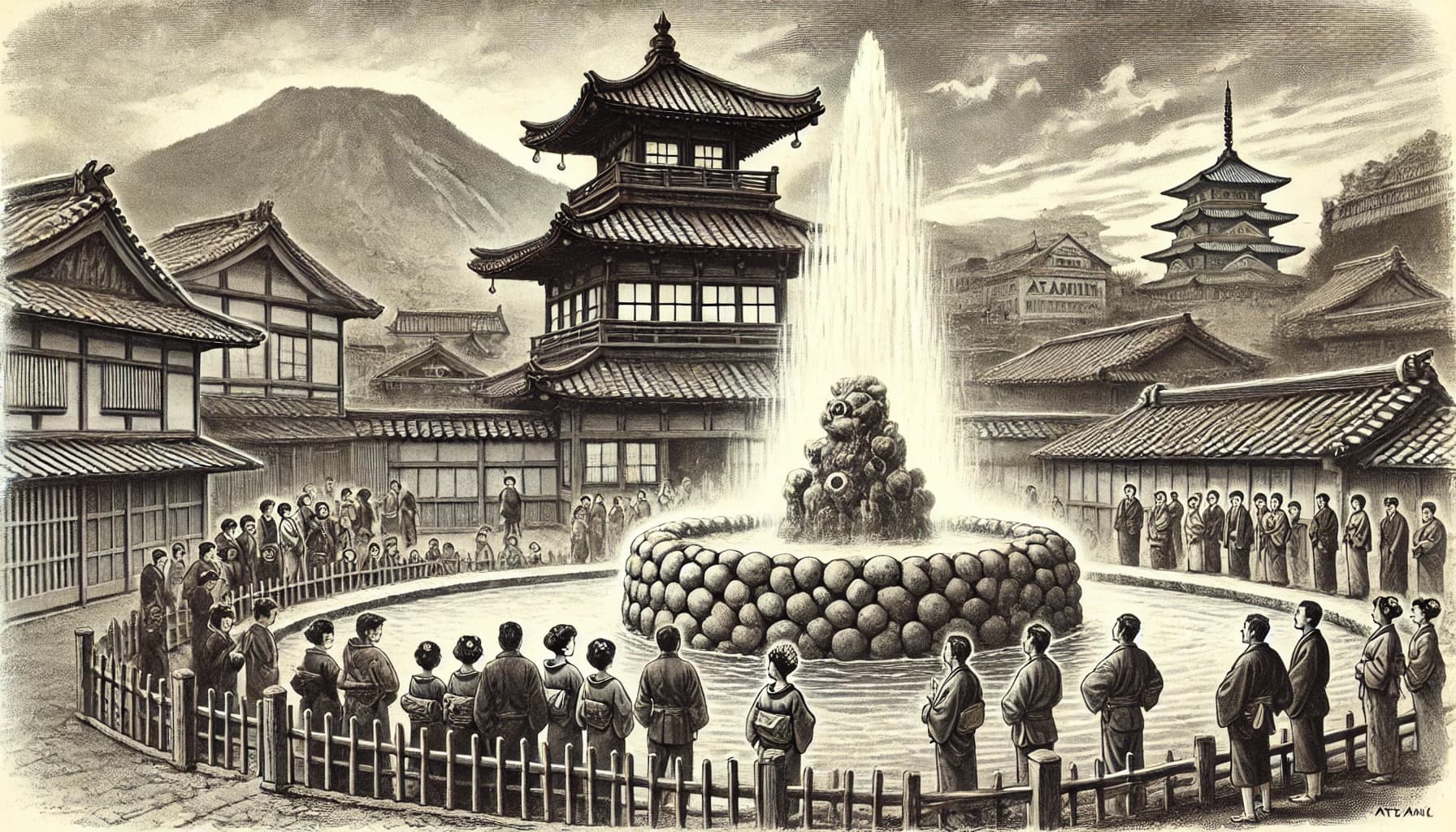 *Illustration image
In 1962 (Showa 37), construction was carried out to reproduce and preserve the original appearance of the Oyu Geyser, once considered one of the world’s three great geysers, as a cultural property. This construction designed the geyser to artificially erupt hot spring water for 3 minutes every 4 minutes from 8 AM to 7 PM daily. Through this, the Oyu Geyser once again became a symbol of Atami Onsen and an attraction drawing many tourists.
6. 1964 to Present
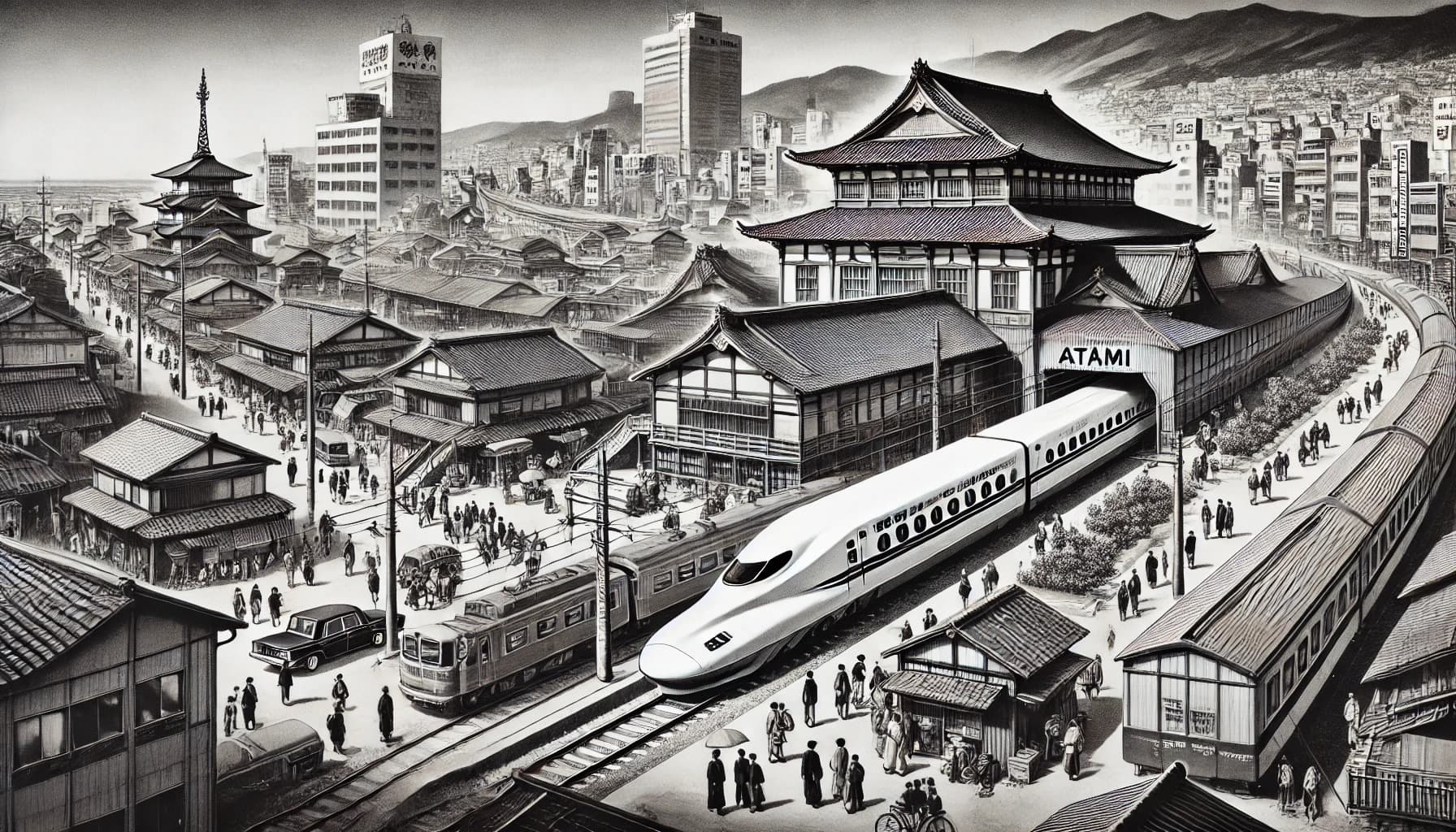 *Illustration image
On October 1, 1964 (Showa 39), the Tokaido Shinkansen opened and Atami Station was designated as a stop. This greatly improved accessibility from major cities such as Tokyo and Osaka to Atami, significantly contributing to the increase in tourists.
During Japan’s bubble economy in the late 1980s, corporate retreats and large resort facilities were built one after another, and Atami Onsen enjoyed its peak prosperity. However, after the bubble burst in the 1990s, it suffered economic impact due to declining tourist numbers.
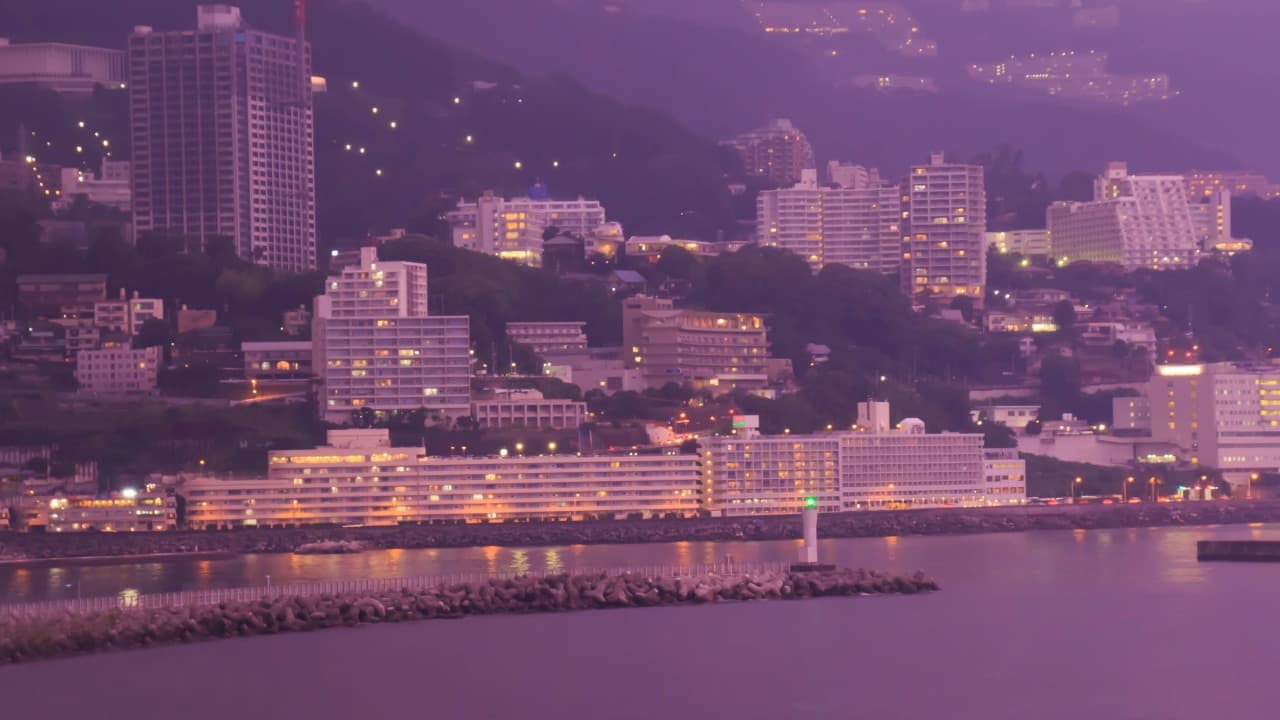
Entering the 2000s, Atami City made various efforts aimed at revitalization as a tourist destination. Through the preservation of historical buildings, improvement of the hot spring town landscape, and hosting events, the city sought to develop new tourism resources and enhance its appeal.
Attractions of Atami Onsen
Atami Onsen is a hot spring destination combining abundant nature and historical charm, with various attractions worth visiting. Below, we introduce the major tourist attractions in detail.
■ Atami Sun Beach
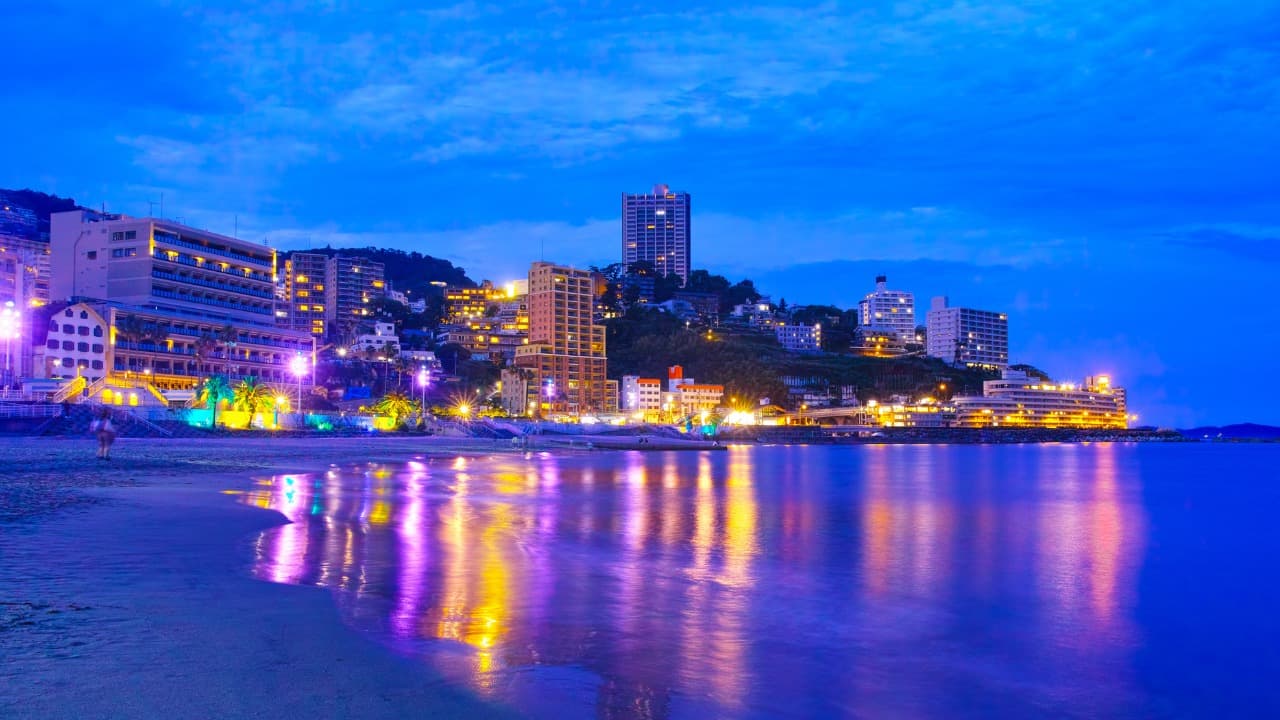
Atami Sun Beach is an artificial white sand beach located in the center of Atami City, boasting a beautiful coastline of approximately 400 meters. In summer, it bustles with families and couples enjoying swimming, and at night it is illuminated under the name “Moonlight Beach,” creating a fantastic atmosphere. The illumination runs daily from sunset to 10 PM, making it a perfect place for beach walks and romantic moments.
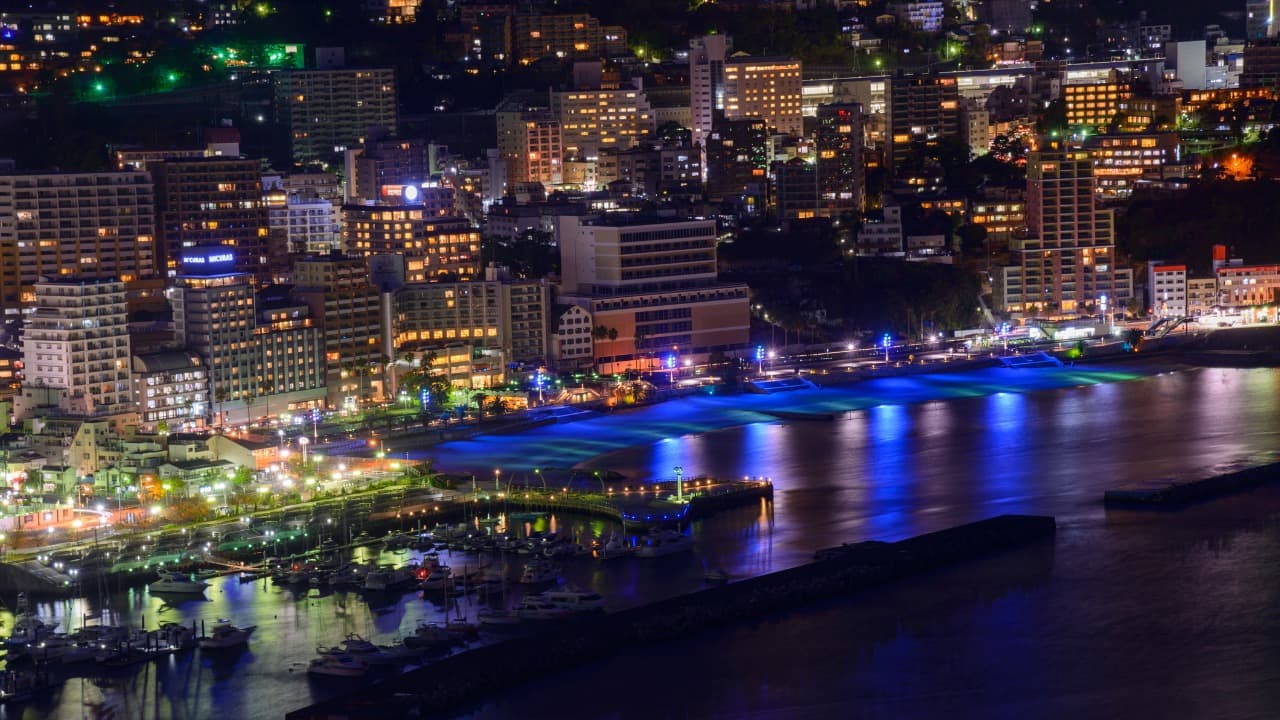
Cafes and restaurants are located around the beach, allowing visitors to enjoy meals and relaxation while overlooking the sea. Additionally, various fireworks festivals and events are held year-round, keeping the area lively with many tourists.
■ MOA Museum of Art
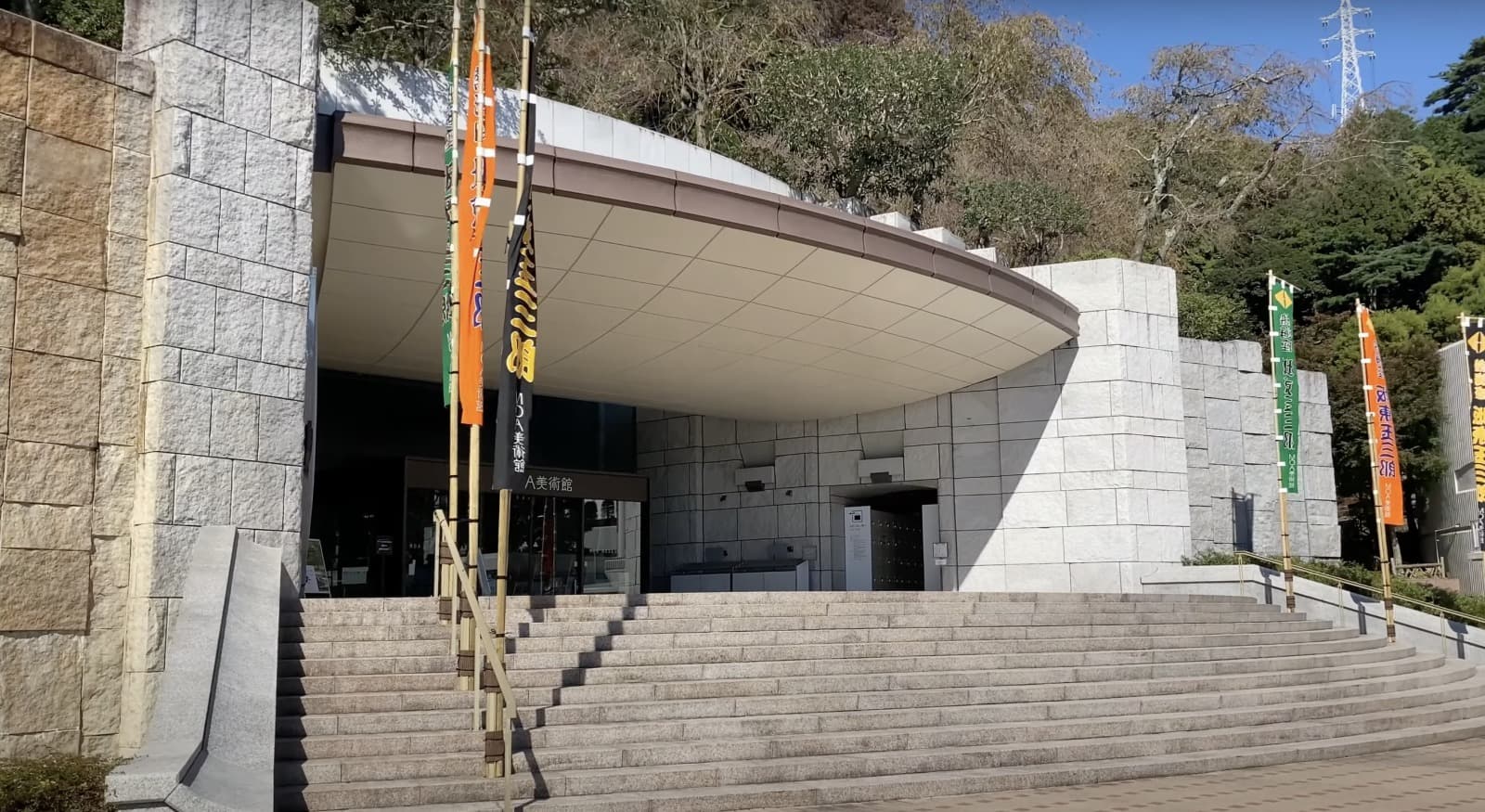
The MOA Museum of Art, opened in 1982, is a private museum housing approximately 3,500 works centered on East Asian art. The National Treasure “Red and White Plum Blossoms” screen by Ogata Korin is particularly famous as a representative collection piece. The museum interior is an elegant space where traditional Japanese materials harmonize with modern design, leaving a deep impression on visitors.
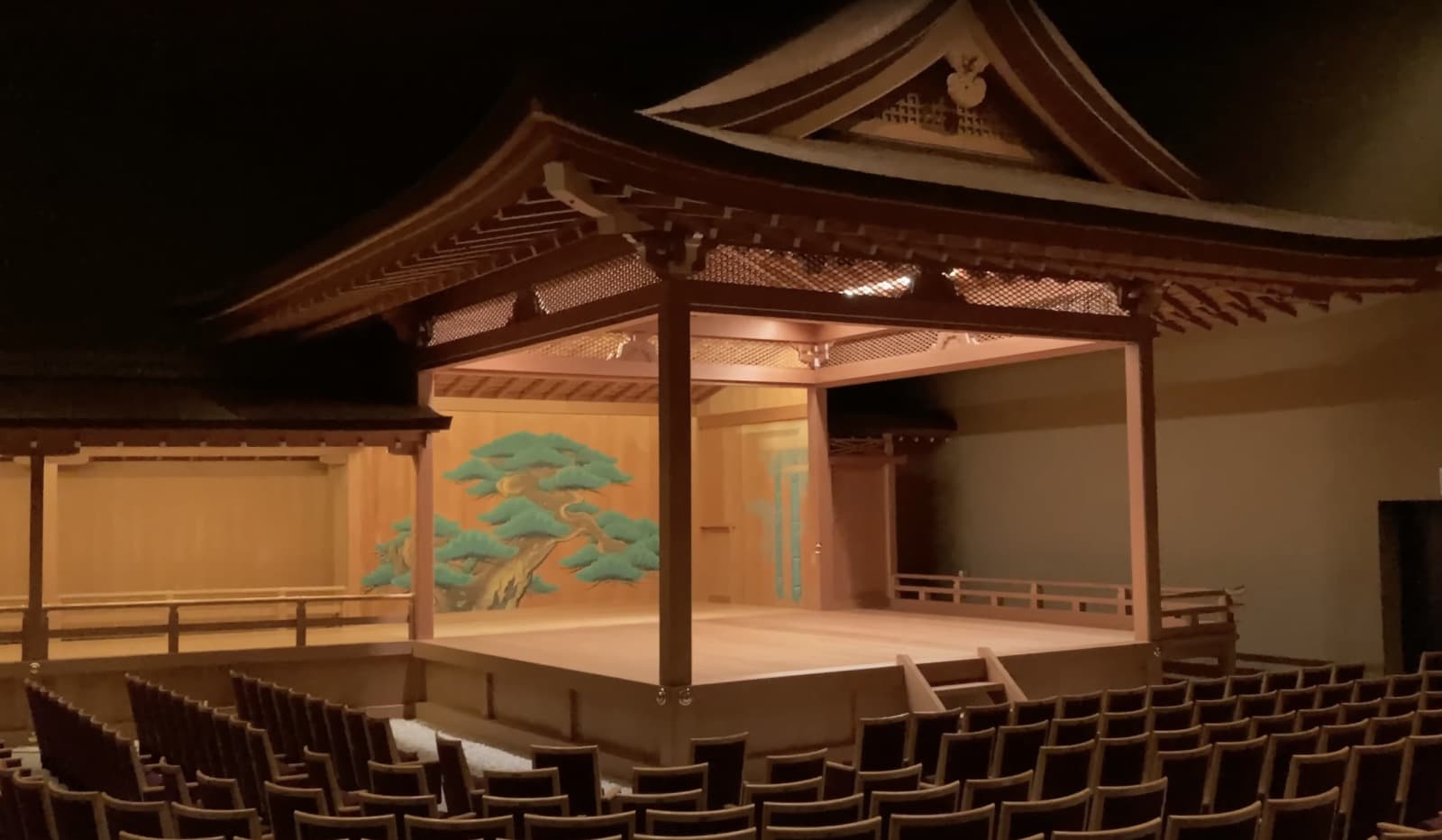
From the museum, you can take in the beautiful views of Sagami Bay at a glance, enjoying both art appreciation and natural beauty simultaneously. Additionally, facilities such as the traditional tea room Ippakuan and Nogakudo (Noh theater) allow visitors to deeply experience Japanese culture. Cafes and restaurants within the museum serve dishes and desserts using local specialties, offering visitors a special time.
■ Kinomiya Shrine
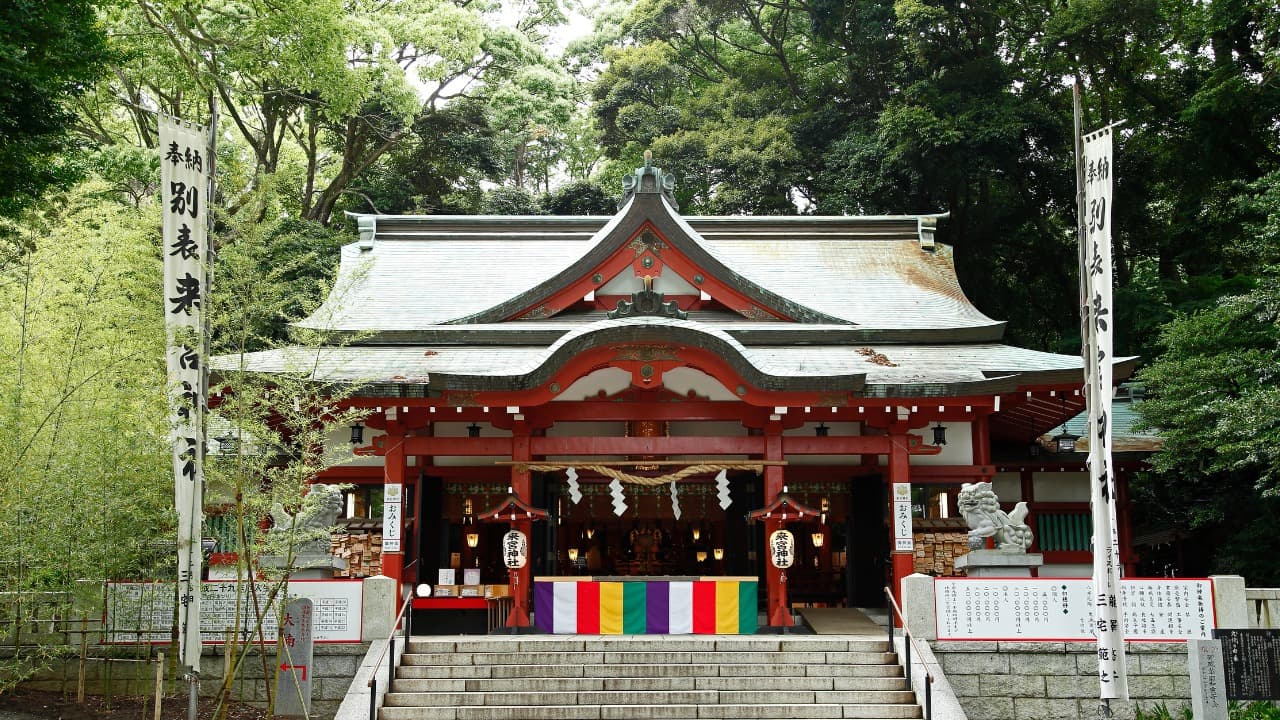
Kinomiya Shrine is a venerable shrine with over 1,900 years of history, long believed to be a deity that brings good fortune and blessings. Within the grounds stands a large camphor tree designated as a National Natural Monument, over 2,000 years old, with a circumference of approximately 24 meters. Legend has it that walking around this camphor tree once extends your life by one year, or if you walk around it with a wish, your wish will be granted, attracting many worshippers.
At night, the camphor tree is illuminated, allowing visitors to enjoy a fantastical atmosphere different from daytime. Within the grounds, there is a sophisticated cafe called Saryo Hoko where you can enjoy special desserts and tea in the tranquil atmosphere of the shrine.
■ Atami Baien (Plum Garden)
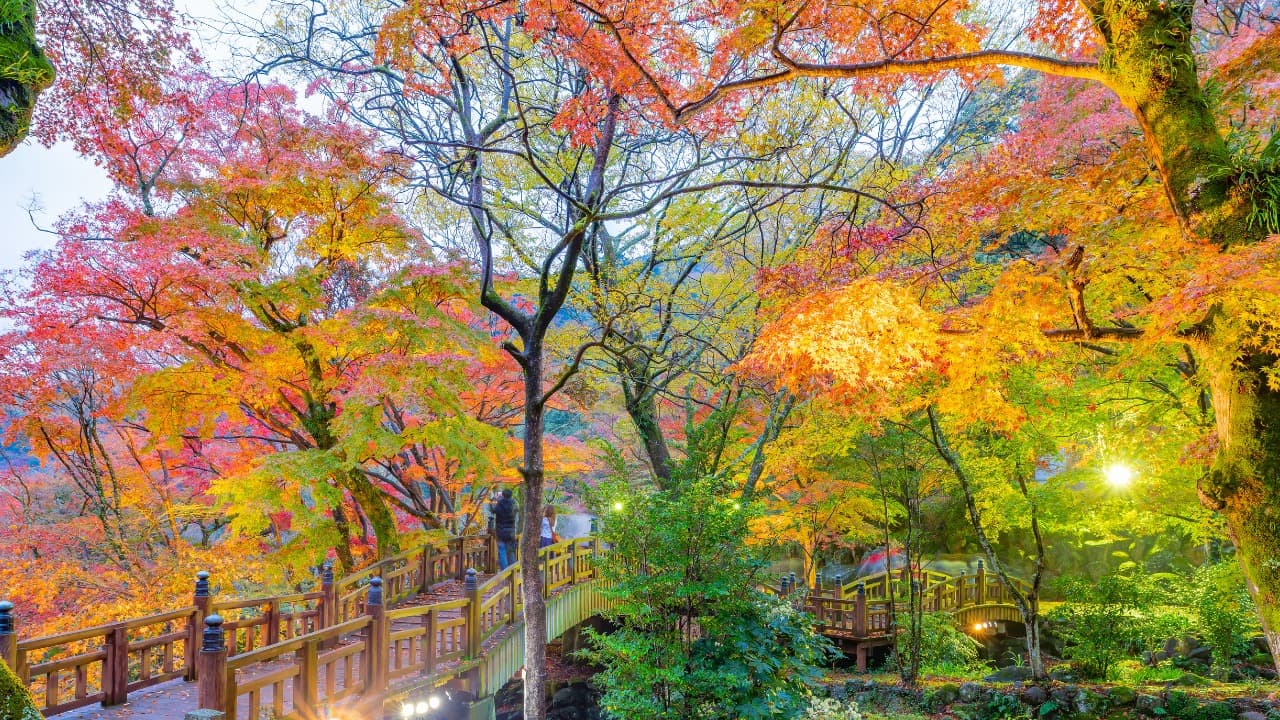
Atami Baien (Plum Garden), opened in 1886 (Meiji 19), is a historic garden famous for “Japan’s earliest blooming plum blossoms.” The garden contains 469 plum trees of 60 varieties, including ancient trees over 100 years old, with the first blooms beginning from late November to early December each year.
During the “Plum Blossom Festival” held from early January to early March, visitors can enjoy plum blossoms blooming sequentially from early to late varieties. Additionally, approximately 380 maple trees are also planted, and from mid-November to early December, the “Autumn Foliage Festival” is held, offering “Japan’s latest autumn foliage viewing.” The garden features foot bath facilities and souvenir shops, making it a place to enjoy nature’s beauty in every season.
■ Atami Castle
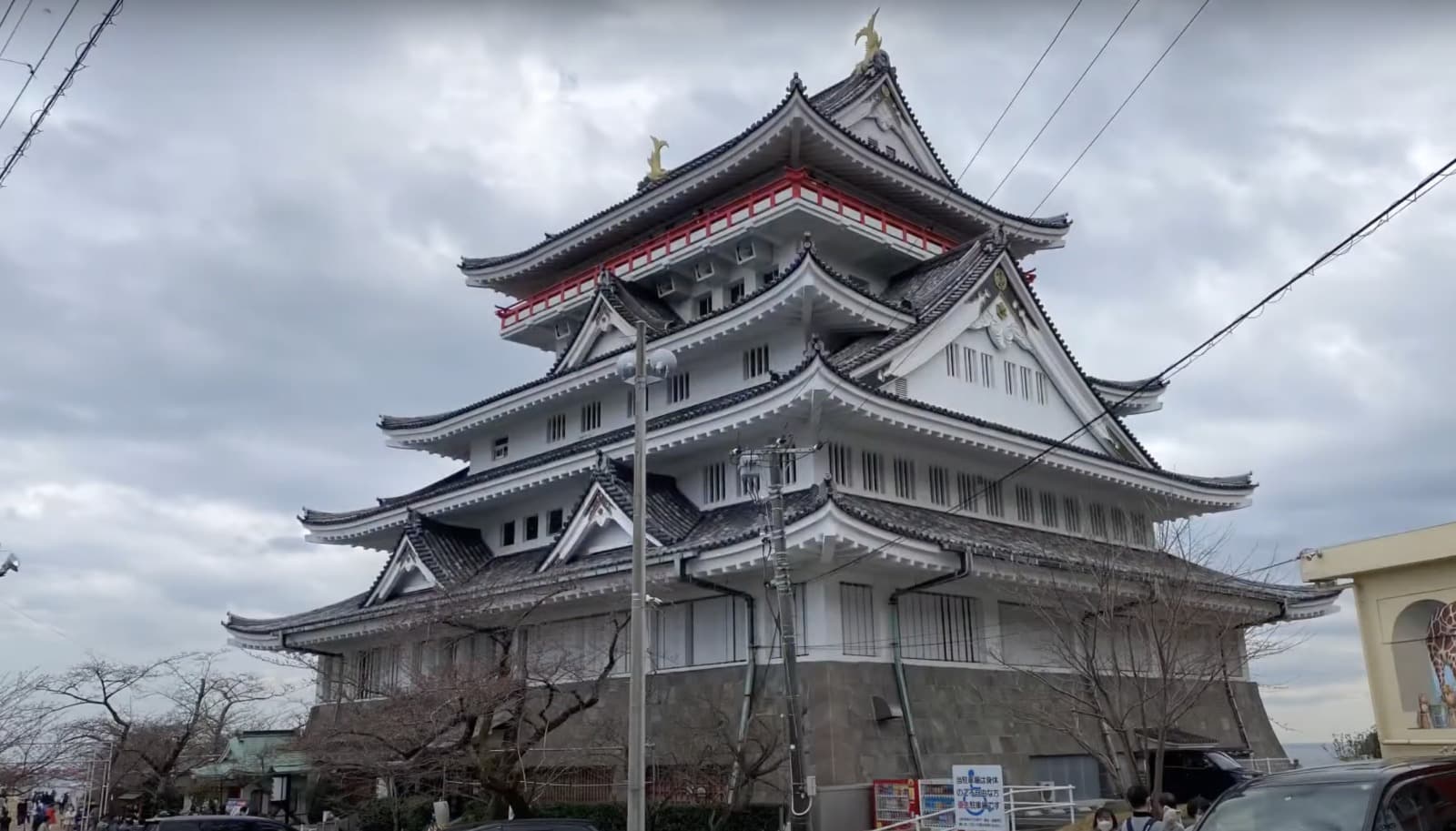
Atami Castle was built in 1959 (Showa 34) as a tourist facility. While not a historical castle, it is a popular spot where visitors can enjoy spectacular views of Atami City and Sagami Bay from the castle tower. Inside the castle, exhibitions introducing Edo period culture and history are displayed, offering interesting content for history enthusiasts including armor, swords, and ukiyo-e galleries.
The area around the castle is known as a cherry blossom viewing spot, with “Atami Cherry Blossoms” reaching full bloom from mid-January to mid-February. Additionally, beneath the castle is the “Atami Trick Art Maze Museum,” popular with family tourists.
■ Hatsushima Island
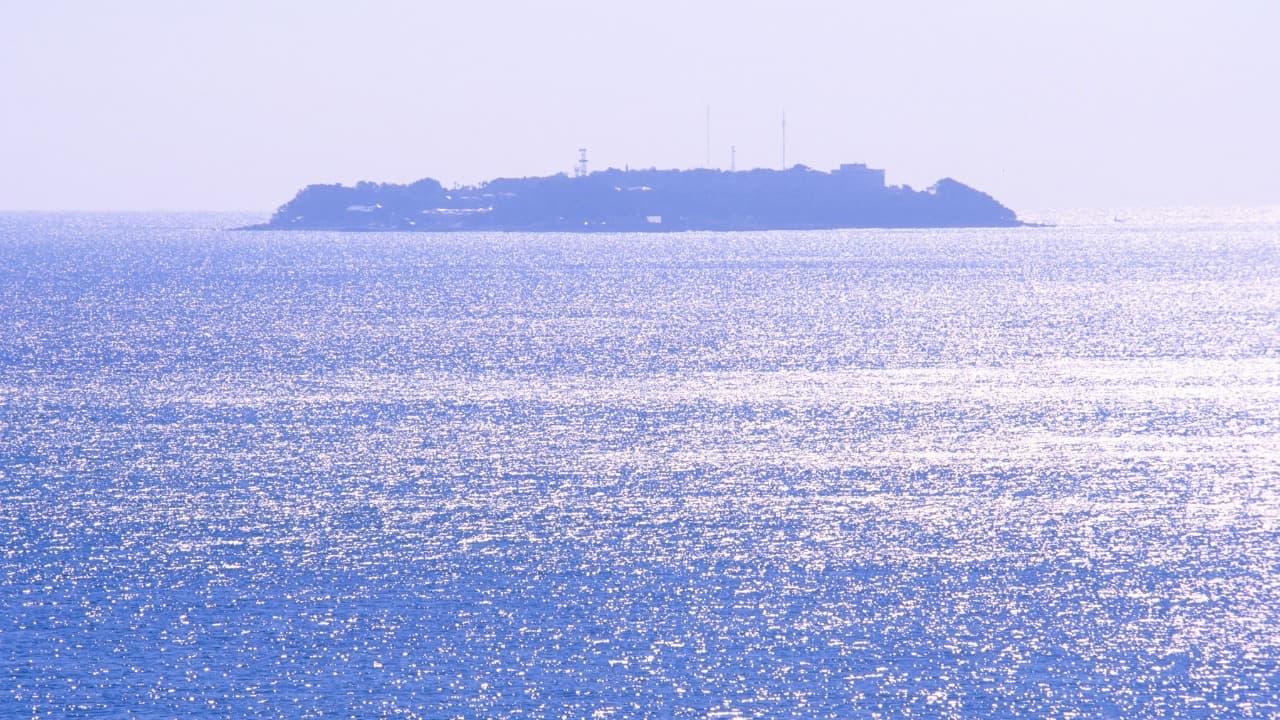
Hatsushima Island is the only inhabited island in Shizuoka Prefecture, located about 30 minutes by high-speed boat from Atami Port, and is popular as the closest island resort from the Tokyo metropolitan area. The island features the Hatsushima Island Resort, with outdoor activity facilities including the glamping facility Asian Garden R-Asia and the adventure facility Hatsushima Adventure Sarutobi.
Additionally, at the fisherman-operated restaurant area Shimanoyu, visitors can enjoy fresh seafood, with dishes made from island-caught seafood being particularly popular.
■ Atami Adult Museum and Atami Ropeway
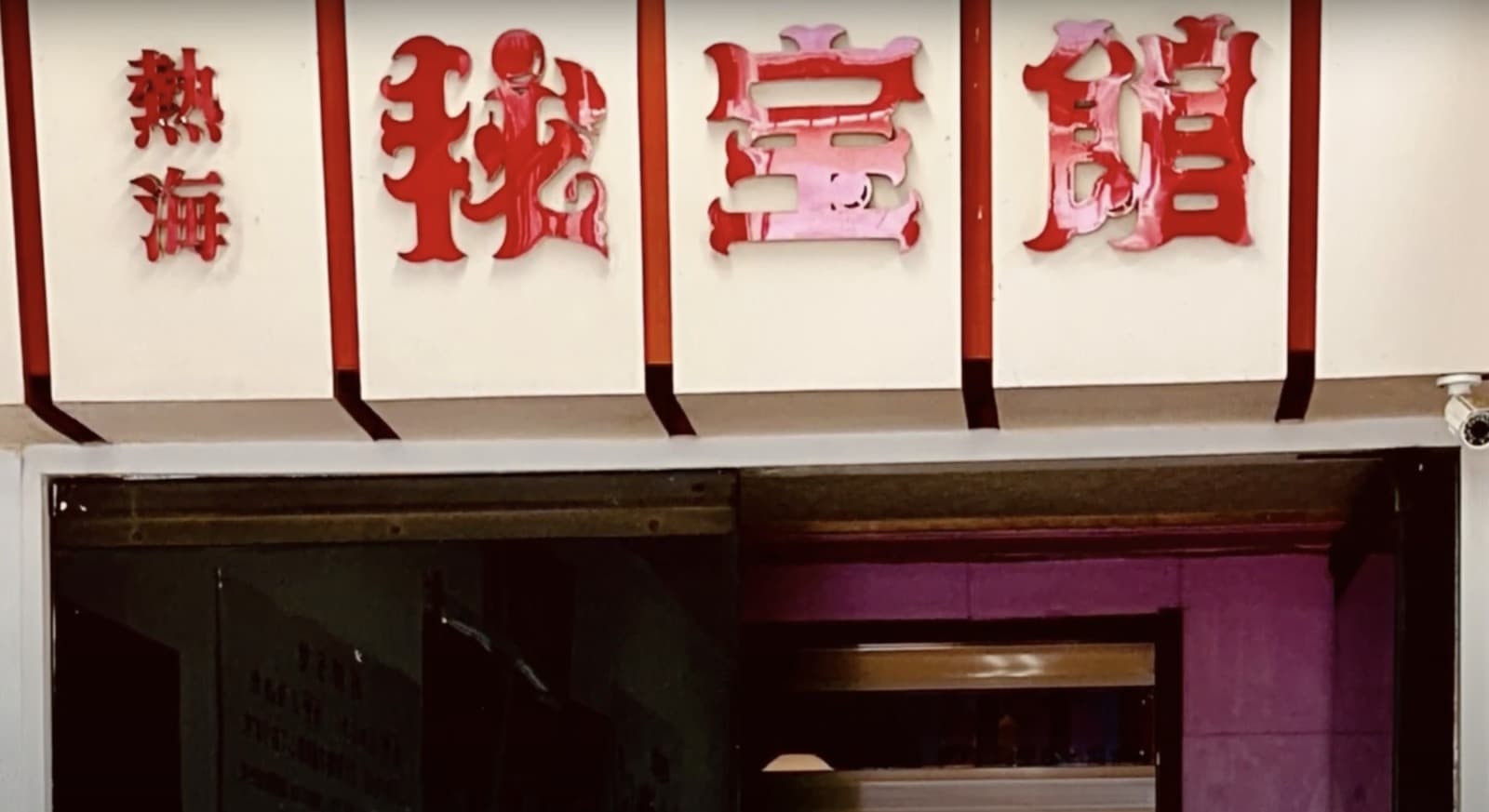
The Atami Adult Museum is an entertainment facility for adults located at the summit of Mount Hachiman overlooking the hot spring town. It exhibits eros from across time and cultures in both a serious and humorous manner, known as a unique attraction. Admission is restricted to those 18 years and older.
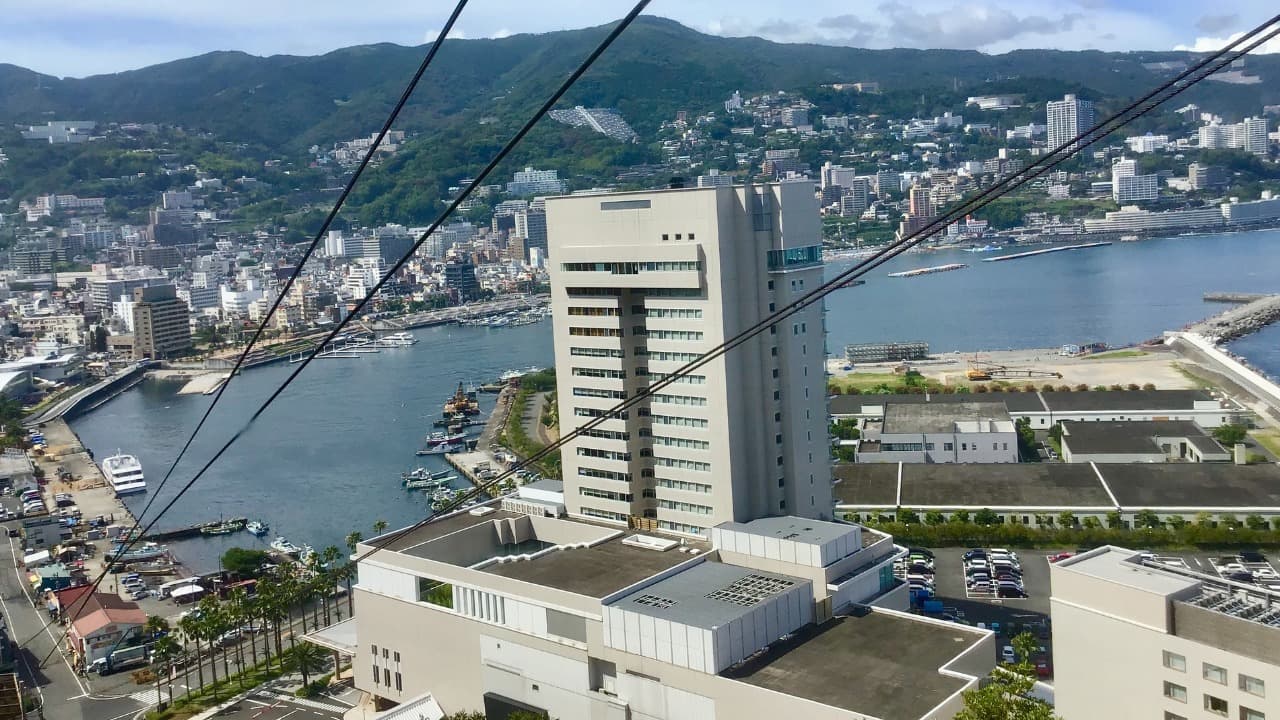
The museum can be reached in about 3.5 minutes by taking the Atami Ropeway from the base station near Atami Port. While riding the retro-style gondola, visitors can enjoy beautiful views of Atami. From the Aijomisaki Observatory at the summit, you can take in panoramic views of Sagami Bay and Atami City, with the scenery from the Umisora Terrace being particularly renowned.
■ Nakamisedori and Heiwadori Shopping Streets
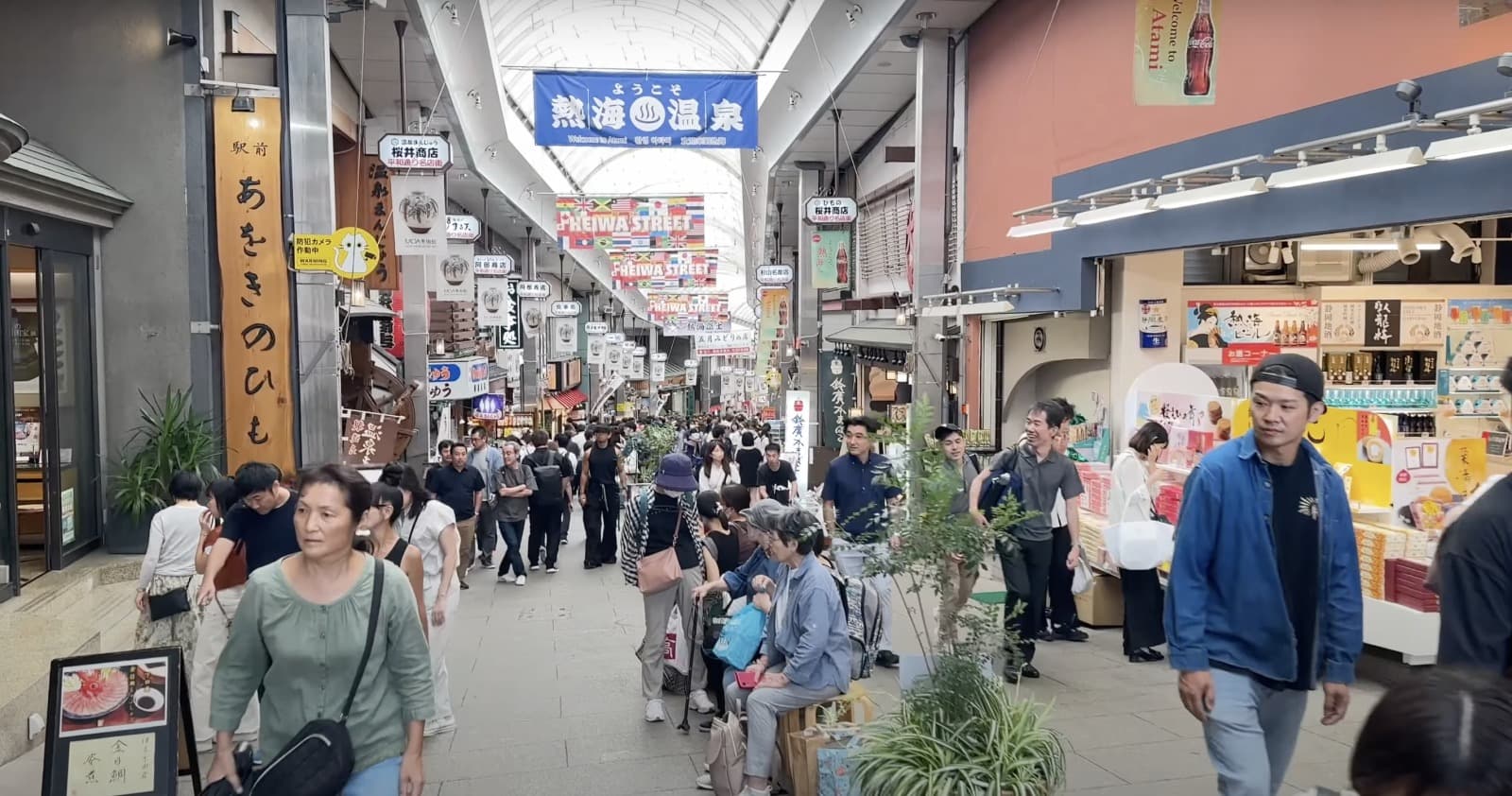
Near Atami Station, there are two shopping streets — Nakamisedori Shopping Street and Heiwadori Shopping Street — retaining a strong Showa era atmosphere. Both shopping streets feature rows of old shops boasting over 60-70 years of history, where visitors can enjoy local specialties, souvenirs, and food.
Nakamisedori Shopping Street:
Located just a 1-minute walk from Atami Station, this arcade-covered street is lined with dried fish shops, hot spring manju shops, cafes, and more, making it an ideal place for food exploration and shopping.
Heiwadori Shopping Street:
Adjacent to Nakamisedori, this street also features an arcade. It is bustling with tourists, with fresh seafood shops, restaurants using local ingredients, and souvenir shops gathered together.
In these shopping streets, you can enjoy local specialties such as hot spring manju and dried fish while savoring the Showa retro atmosphere. Additionally, seasonal events and sales are held, providing new enjoyment with each visit.
Summary
Atami Onsen is one of Japan’s most representative hot spring destinations, where history, culture, and natural beauty harmonize to captivate visitors. Beloved by many from ancient to modern times, Atami Onsen offers warm hospitality not just through its hot springs but throughout the entire town. From shopping streets retaining the charm of Showa-era retro, gardens where you can enjoy beauty in all four seasons, to special moments spent admiring the beautiful coastline, Atami Onsen is filled with charms that can only be experienced here.
Please be sure to visit Atami Onsen as a travel destination to escape the busy daily routine and heal both body and mind.