
🕓 2023/3/23
#Gourmet
About Gunma Prefecture’s Gourmet Food
Gunma Prefecture is known for its beautiful nature that changes with each season and its rich agricultural products, making it a region where you can enjoy different dishes depending on the time of year. Its food culture features preserved foods made using the harsh winter cold, mountain vegetables and fresh spring greens, juicy tomatoes and cucumbers in summer, and chestnuts and sweet potatoes in autumn — all distinctly Gunma.
Known as a major wheat-producing area, you can enjoy bread, udon, soba, and other noodle dishes made with locally grown wheat. Gunma is also famous for its hot spring areas, where visitors can savor local specialties such as onsen tamago (hot spring eggs) and onsen manju (hot spring steamed buns). Additionally, one of Gunma’s most representative local dishes is “Okkirikomi.” This dish reflects Gunma’s rich nature and history, and has been beloved by locals for many years. It is said to have been created to help people get through the harsh winters, making it especially popular during the cold season.
3 Must-Try Gourmet Foods in Gunma Prefecture
Okkirikomi
● The Appeal of Okkirikomi
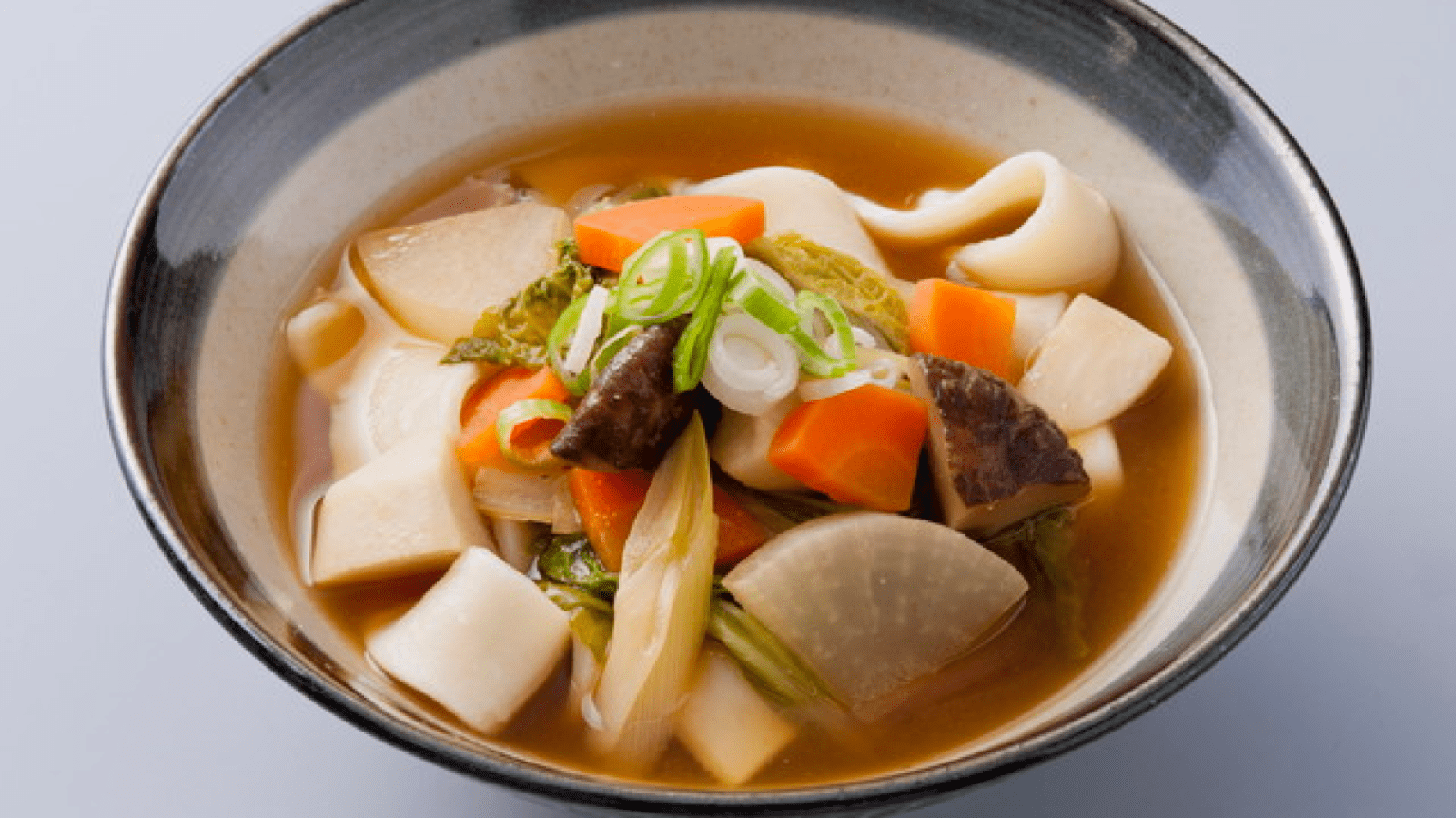
Okkirikomi from Gunma Prefecture is a beloved local dish, and its appeal lies in its simple yet deeply satisfying flavor. Okkirikomi is a dish where wide noodles and seasonal vegetables are simmered together, with common ingredients including chicken, daikon radish, carrots, burdock root, maitake mushrooms, dried shiitake mushrooms, and Chinese cabbage. A distinctive feature is that the flour on the fresh noodles dissolves into the broth, creating a natural thickness.
The seasoning is basically soy sauce and mirin, and in some cases miso, but various arrangements are possible depending on the household or restaurant. For example, adding soy milk creates a milder flavor, or using a tomato and bouillon base offers a Western-style twist.
Many restaurants within Gunma Prefecture serve okkirikomi, and events such as the “My Family’s Okkirikomi Contest” are held, where you can feel the love and passion of local residents. At these contests, various creative versions of okkirikomi are showcased, including recipes with Gunma’s specialty konnyaku and abura-age (fried tofu), and toppings of green onions that add yet another dimension of flavor.
● History of Okkirikomi
In the northern Kanto region, including Gunma, this dish of handmade wide noodles simmered with local vegetables has been a beloved meal eaten during breaks from farming. This simple yet nutritious dish can be enjoyed year-round by using different seasonal vegetables.
Okkirikomi is eaten not only throughout Gunma Prefecture but also in the northern parts of Tochigi and Saitama prefectures and the Chichibu region, where it goes by various names such as “Okirikomi” or “Niboto.” While the exact origins are unclear due to limited historical records, it has been passed down as a home-cooked dish by local people for generations. It has also been selected as one of the “100 Local Dishes of Japan’s Farming, Forestry, and Fishing Villages” by the Ministry of Agriculture, Forestry, and Fisheries, reflecting its high cultural value.
The dish’s distinctive cooking method involves simmering wide, kishimen-like noodles directly with vegetables without boiling them first, causing the flour on the noodles to dissolve into the broth and create a unique thickness.
● Where to Eat Okkirikomi!
- Restaurant: Okkirikomi no Furusato
- Appeal:
“Okkirikomi no Furusato” is an okkirikomi specialty restaurant nestled in a quiet corner of Gunma Prefecture, beloved by locals. With 46 years of history, its traditional flavors have impressed even discerning food connoisseurs.The interior evokes an old farmhouse with its calm atmosphere, and every visit brings a sense of comfort and warmth. In winter, a wood-burning stove is lit, and its gentle sounds and aroma make mealtime extra special. The restaurant provides a homey warmth to all who visit, as if welcoming them back home.
Here you can enjoy three different types of okkirikomi: the classic soy sauce-based version, a miso-based version with addictively spicy green chili peppers, and a version loaded with chicken.
- Address: 3366 Kaminda, Yoshioka-machi, Kitagunma-gun, Gunma
- Google Maps:https://maps.app.goo.gl/RVyZZX6iFkYhEegv7
Toge no Kamameshi
● The Appeal of Toge no Kamameshi
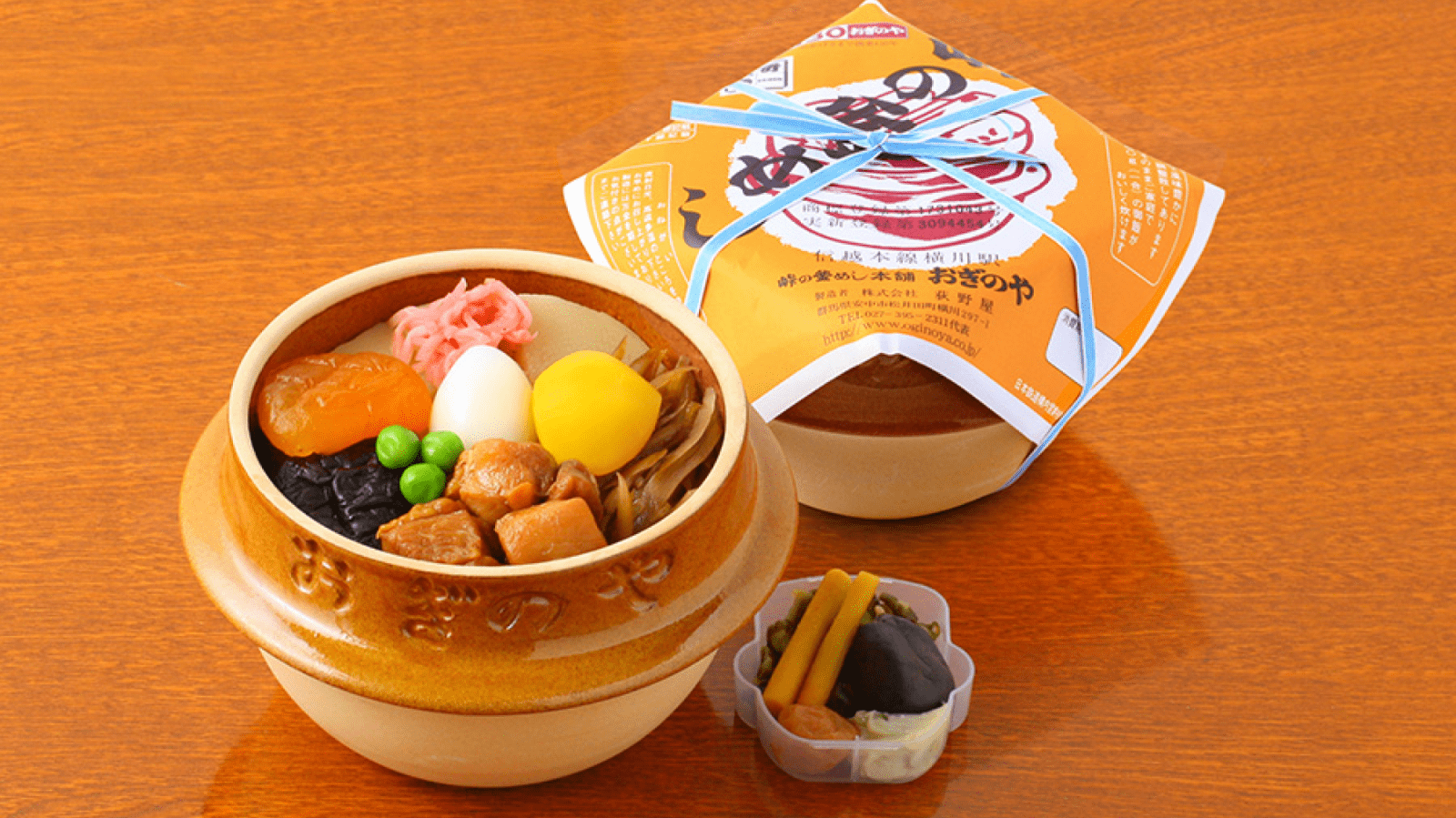
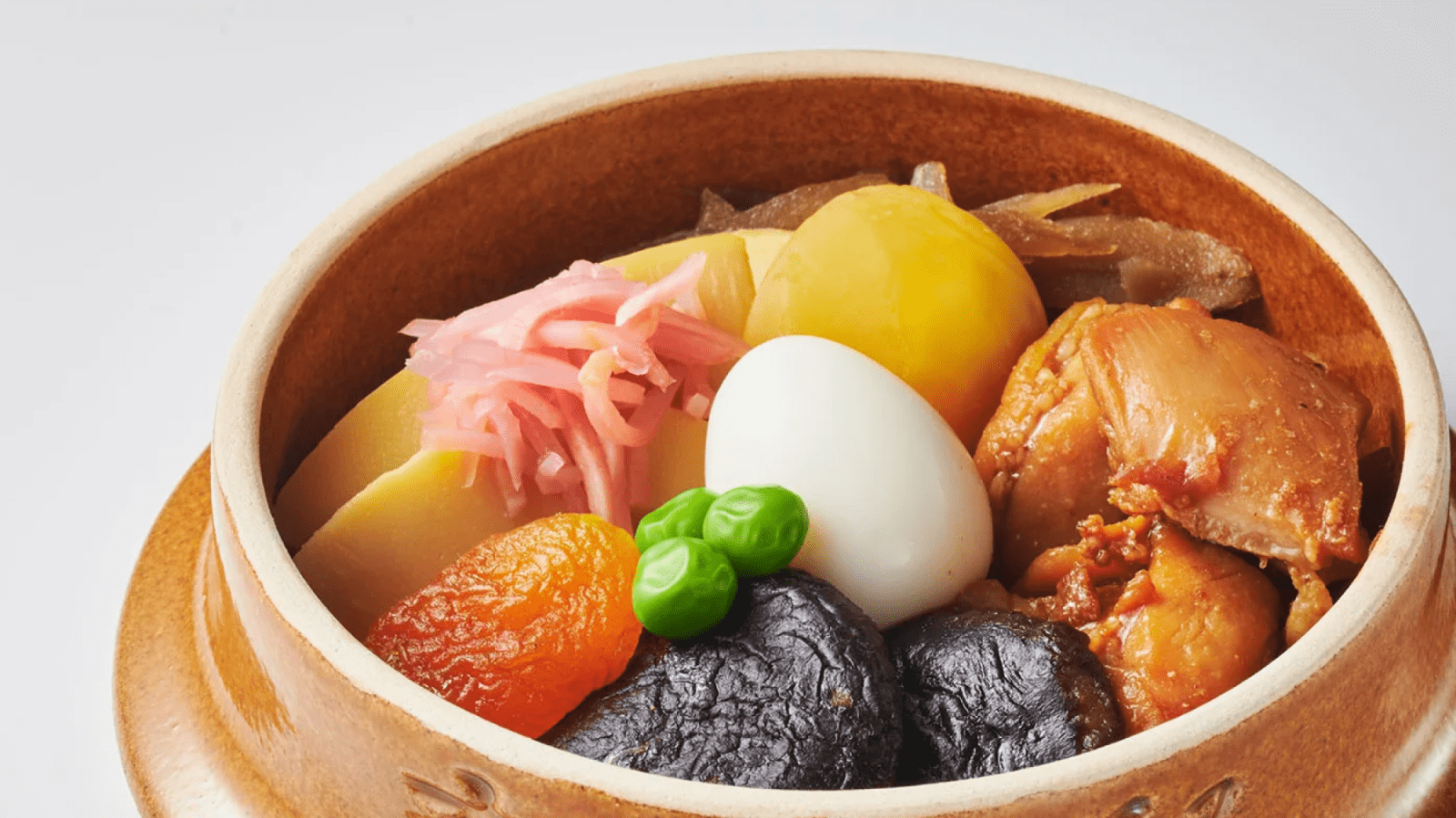
Toge no Kamameshi is an ekiben (train station lunch box) manufactured and sold by Oginoya in Annaka City, Gunma Prefecture, notable for being served in a Mashiko-yaki earthenware pot. This ekiben has been hailed as “Japan’s most popular ekiben,” with cumulative sales exceeding 180 million units. Its origins date back to 1958, and it has been beloved for many years by members of the Imperial family, including Emperor Emeritus.
This ekiben continues to captivate many people, maintaining its consistently high-quality flavor while evolving with the times. At the time of its creation, it was a groundbreaking hot ekiben, which paved the way for its subsequent success.
Additionally, Toge no Kamameshi has come to support the entire Mashiko-yaki pottery industry, and today remains a mega-hit product selling 3 million units annually. The earthenware pots are all made at their own factory, with 10,000 pots produced daily.
● History of Toge no Kamameshi
The history of Toge no Kamameshi begins in 1958, when it first went on sale at Yokogawa Station in Gunma Prefecture. This ekiben shattered the convention that “ekiben come in folding boxes,” becoming a groundbreaking hot lunch box. Its distinctive packaging and delicious flavor gradually attracted attention, being featured in a Bungeishunju magazine column and later becoming the model for the TV drama “Kamameshi Fufu” (The Kamameshi Couple), which led to its subsequent boom.
Before starting the ekiben business at Yokogawa, the founder’s company Oginoya had been selling two rice balls wrapped in bamboo leaves with pickles. However, when ekiben sales were struggling, the founder’s wife Minejisan conceived the innovative idea of Toge no Kamameshi. By leveraging the long train stop times to offer warm ekiben, she differentiated from other stations and grew the product into a massive hit.
● Where to Eat Toge no Kamameshi!
- Restaurant: Toge no Kamameshi Honpo Oginoya Main Store
- Appeal:
The appeal of this restaurant goes beyond simply serving food — it lies in the history, culture, and heartwarming story behind it.Oginoya’s signature product, “Toge no Kamameshi,” began sales in 1958 and has since sold approximately 170 million units. This kamameshi was developed in response to the needs of travelers weary from long train journeys, and is served in a Mashiko-yaki earthenware pot that offers excellent heat retention and prevents odor transfer. As a result, it became possible to provide a warm, enjoyable dining experience.
- Address: 399 Yokogawa, Matsuida-machi, Annaka City, Gunma
- Access: Immediately in front of JR Shinetsu Main Line “Yokogawa Station”
- Google Maps: https://maps.app.goo.gl/VB1TjMFvv7a6Rexq7
Takasaki Pasta
● The Appeal of Takasaki Pasta
Takasaki Pasta symbolizes the unique gourmet culture of Takasaki City in Gunma Prefecture, Japan. This region’s distinctive pasta dishes combine traditional Italian cooking techniques with local ingredients to create a unique taste and charm.
The greatest feature is the generous use of fresh local ingredients from Gunma Prefecture. For example, Gunma is one of Japan’s leading wheat-producing regions, and the homemade pasta using this high-quality wheat offers an exceptional taste. Fresh locally grown vegetables and meats are also used, allowing diners to savor the regional flavors.
While respecting Italian tradition, Takasaki Pasta features distinctive arrangements that incorporate Japanese elements. For instance, pasta seasoned with miso or soy sauce-based sauces offers a new flavor experience that goes beyond the framework of Italian cuisine.
● History of Takasaki Pasta
The history of Takasaki Pasta began when classic Italian techniques met the abundant agricultural products of Gunma Prefecture. This encounter spurred the creation of new dishes utilizing local ingredients. Takasaki City is known for its rich agricultural products, including fresh vegetables and high-quality wheat, and pasta dishes that made full use of these local blessings gradually began attracting attention.
Initially, Takasaki Pasta was positioned as a local dish enjoyed at regional restaurants and homes. However, as word of its unique flavor and high quality spread through word of mouth and media, people outside Takasaki City also came to recognize its appeal. In particular, the homemade pasta using local wheat and original sauces featuring regional ingredients became widely known as hallmarks of Takasaki Pasta.
● Where to Eat Takasaki Pasta!
- Restaurant: Shango
- Appeal:
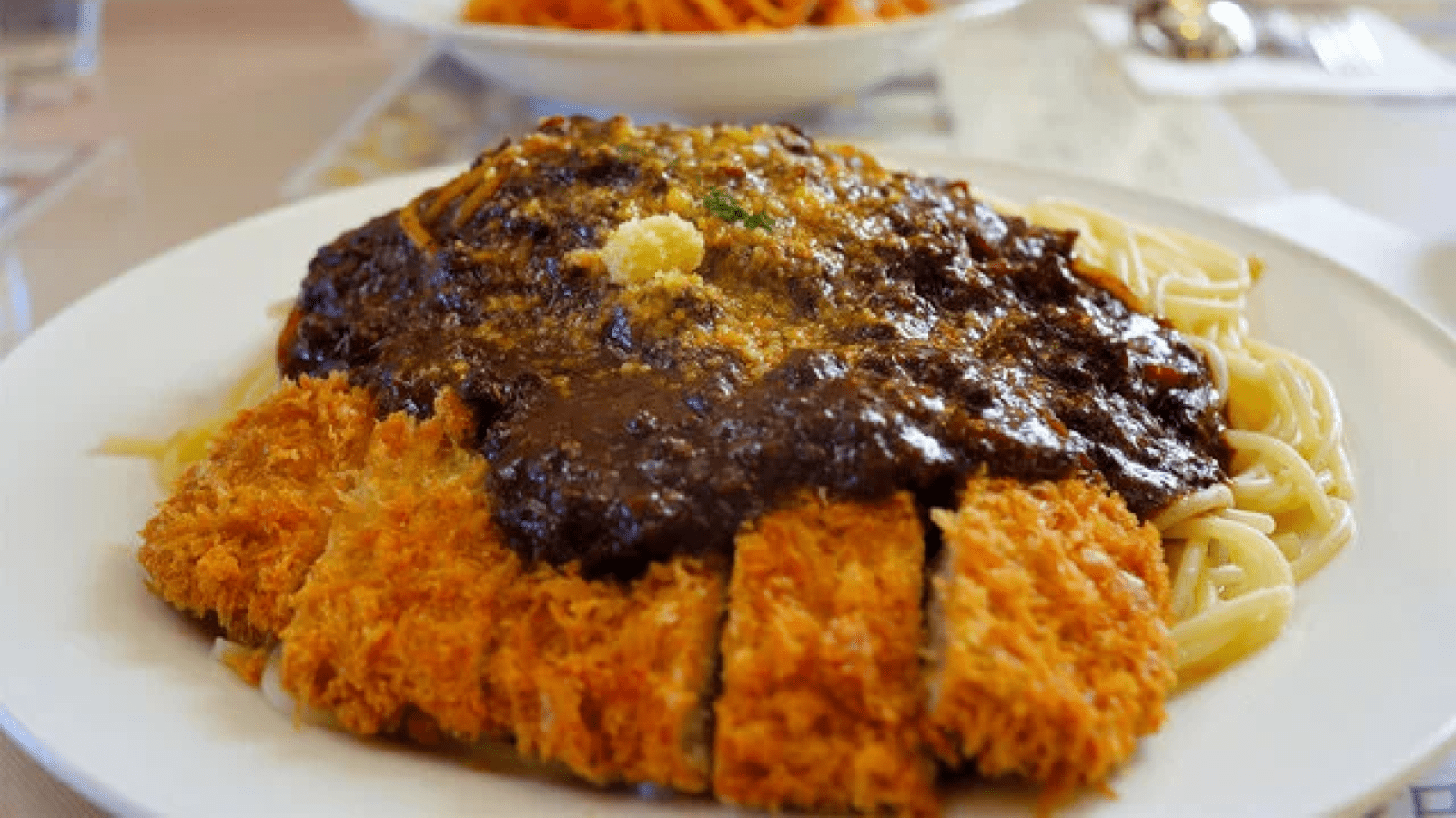
“Shango” is an Italian restaurant that has been deeply beloved by locals, centered in the Takasaki, Maebashi, and Isesaki areas of Gunma Prefecture. Since its founding in 1968, it has captivated many people with its cuisine that fuses tradition and innovation. Its victories at the 2nd (2010) and 4th (2012) King of Pasta competitions are testament to its excellence.The restaurant’s signature dish, “Shango-style Pasta,” is a special creation by founder Sekizaki Shoichiro. This pasta features a generously topped freshly fried Joshu wheat-fed pork cutlet, perfectly matched with a special meat sauce. The combination of pork cutlet and pasta evokes a sense of nostalgia that has captured the hearts of many repeat visitors.
- Address: 1-10-24 Tonya-machi, Takasaki City, Gunma
- Access: 15-minute walk from JR Joetsu Line “Takasaki-Tonya-machi” Station (West Exit)
- Google Maps: https://maps.app.goo.gl/XoT4JGnxaXUsaRgs9