
🕓 2025/1/20
#Sightseeing
A Comprehensive Guide to the History and Overview of Japanese Literature

Table of Contents
- Origins of Japanese Literature and Heian Period Culture
- Medieval Literature and Samurai Culture
- Edo Period Townspeople Culture and Literature
- Modern Literature and the Fusion of Western Culture
- International Recognition of Japanese Literature
Introduction
Japanese literature has evolved from ancient times to the present through diverse forms and profound sensibility. Beginning with myths and oral traditions, it transformed through the refined court culture of the Heian period, medieval war tales reflecting samurai values, and entertainment literature born from Edo-period townspeople culture — all while resonating deeply with countless readers throughout the ages.
This article offers a multifaceted exploration of Japanese literature, from its origins and evolution to its international recognition today, delving into its rich appeal. We invite you to enjoy this journey through “Japanese Literature,” connecting the past and the future.
- Origins of Japanese Literature and Heian Period Culture
- The Culture and Literary Development of the Heian Period
- Major Literary Works of the Heian Period
- Cultural Background of the Heian Period
- 2. Medieval Literature and Samurai Culture
- 1. Historical Background of Medieval Literature
- 2. The Fusion of Samurai Culture and Literature
- 3. The Relationship Between Warriors and Scholars
- 4. Diversification of Medieval Literature
- 3. Edo Period Townspeople Culture and Literature
- 4. Modern Literature and the Fusion of Western Culture
- 5. International Recognition of Japanese Literature
- Summary
- Frequently Asked Questions
Origins of Japanese Literature and Heian Period Culture
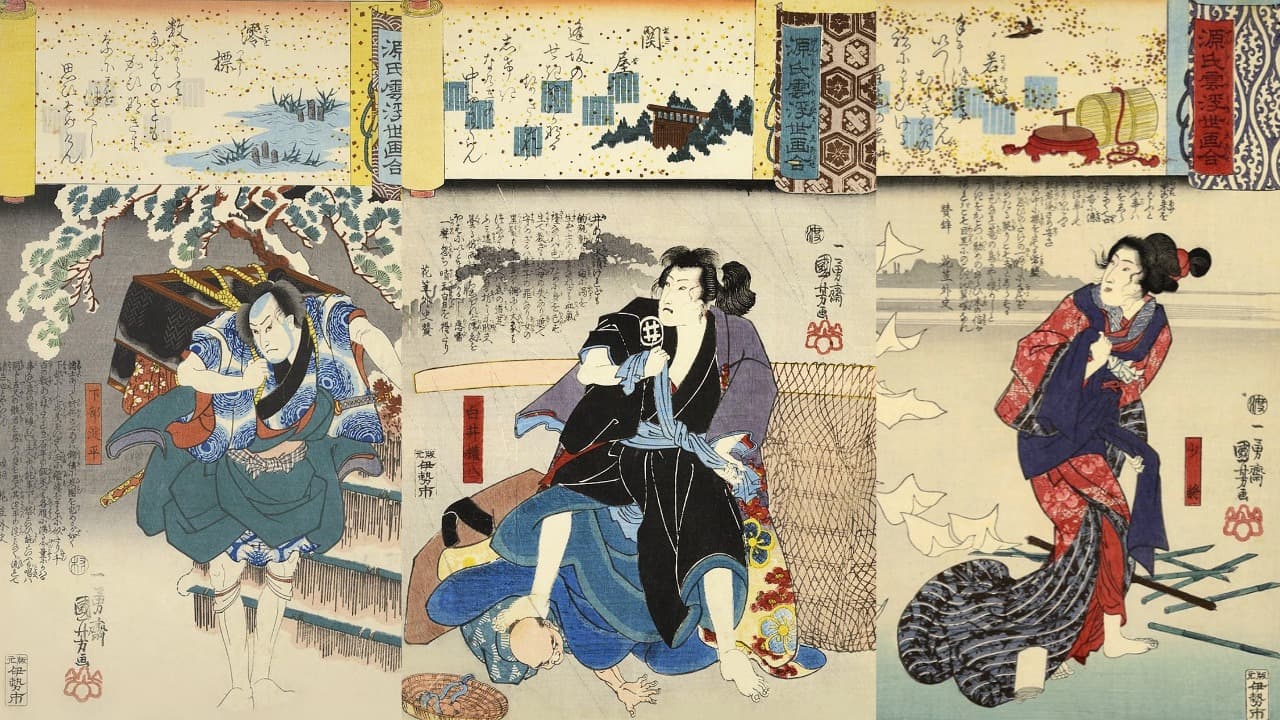
1. Origins of Japanese Literature
The origins of Japanese literature trace back to myths and legends passed down through oral tradition. These were later documented and compiled as the Kojiki (712) and Nihon Shoki (720). Written using Chinese characters, these works demonstrate the strong influence of Chinese culture on Japan at the time.
The Culture and Literary Development of the Heian Period
The Heian period (794-1185) is known as an era when Japan’s distinctive culture flourished. In particular, the abolition of official envoys to Tang China (894) triggered a departure from Chinese-style culture and the formation of a uniquely Japanese national culture. During this period, kana writing systems (hiragana and katakana) became widespread, facilitating expression in the Japanese language.
Major Literary Works of the Heian Period
The Tale of the Bamboo Cutter (Taketori Monogatari)
Considered the oldest narrative fiction in Japan, this work tells the legend of Princess Kaguya. It is notable for its cosmic scale and romantic elements.
The Tales of Ise (Ise Monogatari)
A poem-tale centering on the romantic adventures of a protagonist modeled after Ariwara no Narihira, featuring a distinctive blend of waka poetry and narrative.
The Tale of Genji (Genji Monogatari)
Written by Murasaki Shikibu, this 54-chapter epic novel depicts the life of Hikaru Genji and his descendants, portraying the splendor and human drama of Heian aristocratic society.
The Pillow Book (Makura no Soshi)
An essay collection by Sei Shonagon covering a wide range of subjects including court life, nature, and character sketches.
Kokin Wakashu
The first imperial anthology of waka poetry, compiled by order of Emperor Daigo, containing approximately 1,100 poems.
Cultural Background of the Heian Period
The Heian period saw Fujiwara clan regency politics and a refined aristocratic court culture. During this time, women actively participated in literary creation, producing many accomplished female authors. Waka poetry and narrative literature also flourished, exerting a profound influence on subsequent Japanese literature.
As described above, the Heian period was an era that laid the foundations of Japanese literature and gave birth to many masterpieces. These works remain essential for a deep understanding of Japanese culture today.
2. Medieval Literature and Samurai Culture
Here we provide a detailed explanation of medieval literature and samurai culture.
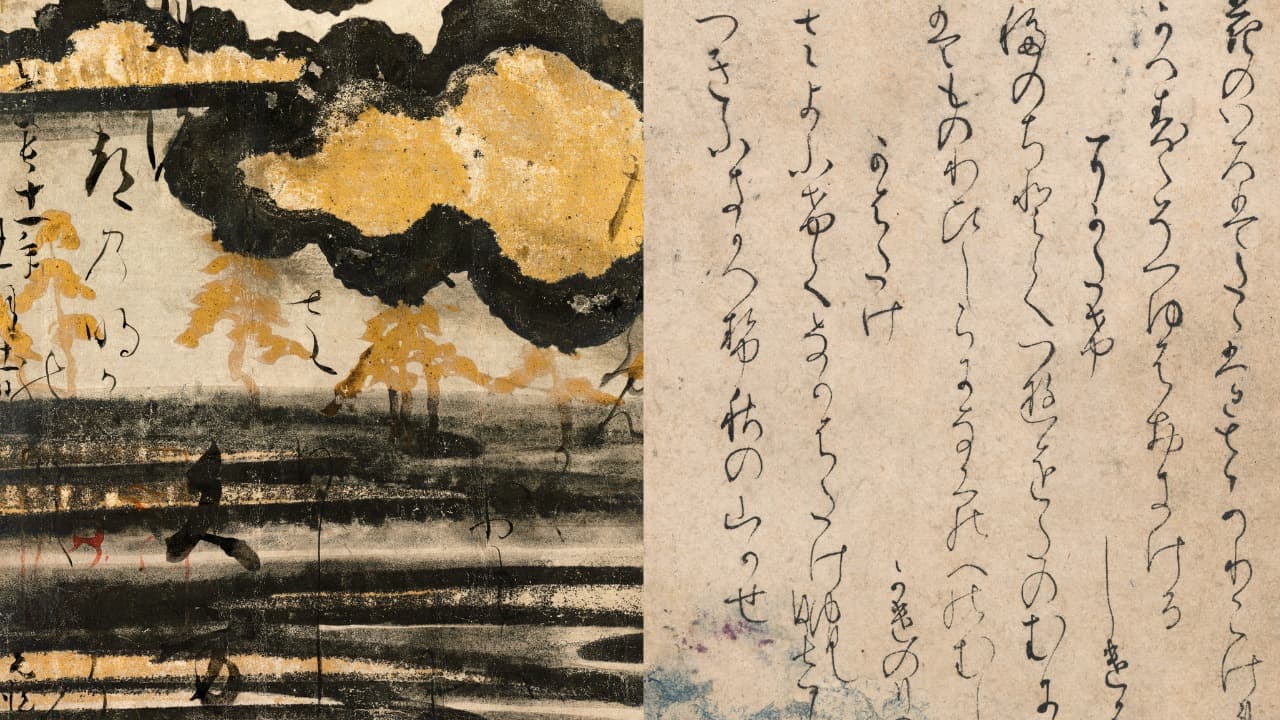
1. Historical Background of Medieval Literature
Medieval literature refers to Japanese literature from the Kamakura period through the Azuchi-Momoyama period. During this time, political power shifted from the aristocracy to the warrior class, bringing significant changes to the authors and themes of literature. In particular, the rise of the samurai gave birth to many literary works reflecting their values and way of life.
2. The Fusion of Samurai Culture and Literature
During the age of the samurai, many literary works reflecting their values and lifestyle were created. War chronicles (gunki monogatari) depicting battles and the lives of warriors were particularly popular.
War Chronicles: Stories vividly portraying the exploits of real samurai in battle. Representative works include the Hogen Monogatari, Heiji Monogatari, Heike Monogatari, and Jokuki. They were written in a powerful, concise mixed Chinese-Japanese style known as wakan konkobun. The Heike Monogatari in particular is a masterpiece depicting the rise and fall of the Taira clan under the themes of impermanence and the inevitable decline of the mighty.
3. The Relationship Between Warriors and Scholars
The medieval period was both an “age of warriors” and an “age of scholars.” Administrative officials who grew as a practical bureaucratic class within the court judicial system, or as deputies of provincial governors in local governance, eventually helped build the Kamakura Shogunate alongside the warriors. They utilized tales and picture scrolls to depict the character of the medieval era.
4. Diversification of Medieval Literature
The medieval period saw the birth of diverse literary works influenced by samurai culture. New literary forms such as renga (linked verse) and Noh theater emerged and spread among both warriors and commoners. Hermit literature influenced by Buddhism also developed during this period.
3. Edo Period Townspeople Culture and Literature
The Edo period (1603-1868) was an era in Japanese history when townspeople culture flourished greatly. In particular, with economic development and urban prosperity, the merchant and artisan classes (chonin) rose as cultural leaders. During this time, townspeople culture achieved remarkable development in the field of literature, producing many notable works.
1. Genroku Culture (Late 17th – Early 18th Century)
Genroku culture was a townspeople culture centered in the Kamigata region (Kyoto and Osaka) during the early Edo period. Economic development during this time enriched the lives of townspeople, stimulating cultural activities.
■Literary Development:
Haikai: Matsuo Basho elevated haikai to an art form, expressing profound spirituality through works such as Oku no Hosomichi (The Narrow Road to the Deep North).
Ukiyo-zoshi: Ihara Saikaku gained popularity with works depicting the lives and customs of townspeople, including Koshoku Ichidai Otoko (The Life of an Amorous Man) and Nihon Eitaigura (The Japanese Family Storehouse).
Joruri: Chikamatsu Monzaemon earned fame as a playwright for puppet theater with works such as Sonezaki Shinju (The Love Suicides at Sonezaki).
2. Kasei Culture (Late 18th – Early 19th Century)
Kasei culture was a townspeople culture that peaked during the Bunka and Bunsei eras (1804-1830) in the late Edo period, centered in Edo. During this time, the growing economic power and literacy rates of townspeople led to further flourishing of publishing culture.
■Diversification of Literature:
Kokkeibon (Comic novels): Jippensha Ikku’s Tokaidochu Hizakurige (Shank’s Mare) depicted the comical journey of Yaji and Kita, becoming a massive bestseller among common people.
Ninjobon (Sentimental novels): Tamenaga Shunsui gained popularity with works depicting romance and human emotions, delicately expressing the feelings and lives of townspeople.
Yomihon (Reading books): Long novels based on history and legends appeared, including Ueda Akinari’s Ugetsu Monogatari (Tales of Moonlight and Rain) and Kyokutei Bakin’s Nanso Satomi Hakkenden (The Eight Dog Chronicles).
Development of Publishing:
In the mid-Edo period, publisher Tsutaya Juzaburo worked with artists such as Kitagawa Utamaro and Santo Kyoden, greatly contributing to the development of townspeople culture.
3. Characteristics of Townspeople Culture and Literature
Literature in Edo-period townspeople culture had the following characteristics.
Popular appeal: Works realistically depicted the lives and emotions of townspeople, earning the empathy of their common readers.
Entertainment value: Many works, including comic novels and sentimental novels, were highly entertaining, pursuing enjoyment as reading material.
Satirical quality: Some works contained social and political satire, reflecting the intellectual curiosity and critical spirit of townspeople.
4. Modern Literature and the Fusion of Western Culture
Japanese modern literature developed in close connection with the influx of Western culture from the Meiji era onward. After opening its doors to the world, Japan actively adopted Western ideas and literary techniques during its rapid modernization, reinterpreting and fusing them within a uniquely Japanese context.
1. Reception and Translation of Western Literature
In the early Meiji period, many Western literary works were translated into Japanese and introduced domestically. This allowed Japanese writers to learn new expressive techniques and narrative structures, applying them to their own works. In particular, Tsubouchi Shoyo introduced Western realism in Shosetsu Shinzui (The Essence of the Novel), laying the foundation for realist literature.
2. Establishment of the Colloquial Writing Style
Influenced by Western literature, a writing style closer to spoken language came to be sought. Futabatei Shimei’s Ukigumo (Drifting Clouds) is recognized as a pioneering work employing this colloquial writing style (genbun itchi).
3. Rise of Naturalism
Western naturalist thought had a significant impact on the Japanese literary world. Shimazaki Toson’s Hakai (The Broken Commandment) and Tayama Katai’s Futon (The Quilt) attracted attention for their approach of directly confronting individual interiority and social reality, depicting them as they are.
4. Emergence of the I-Novel
Following the naturalist movement, the “I-novel” (watakushi shosetsu) emerged, a form in which authors candidly depicted their own experiences and inner lives. This developed as a uniquely Japanese literary form, presenting a new mode of self-expression.
5. Romanticism and Anti-Naturalism
As a reaction against naturalism, romanticism — emphasizing individual emotion and aesthetic sensibility — emerged. Mori Ogai and Kitamura Tokoku represented this movement, developing Western romantic thought within a Japanese context.
6. Fusion of Western Culture and Japanese Literature
Natsume Soseki deeply studied Western literature through his experience studying in England and created works such as I Am a Cat (Wagahai wa Neko de Aru) and Kokoro, which fused Japanese tradition with Western thought. His works sharply depict the inner lives of modern Japanese people, exploring universal themes that remain relevant today.
5. International Recognition of Japanese Literature
Japanese literature has received high international recognition for its uniqueness and depth. Below we discuss the history and current state of this recognition in detail.
1. Nobel Prize Laureates in Literature
A symbolic event of Japanese writers’ international recognition is the Nobel Prize in Literature. Kawabata Yasunari won the prize in 1968, and Oe Kenzaburo in 1994. In his acceptance speech “Japan, the Beautiful and Myself,” Kawabata spoke deeply about the relationship between Japanese traditional culture and his own literature, conveying the beauty of Japanese literature to the world.
2. Translation and International Dissemination
Japanese literature has been translated into many languages and is read worldwide. In particular, the works of Murakami Haruki have been translated into multiple languages and become international bestsellers. Works by Kawabata Yasunari and Oe Kenzaburo have also been translated in various countries, receiving literary awards and high acclaim.
3. Plurilingualism and New Possibilities
Professor Kono Shion of Sophia University has focused on the potential of Japanese literature as seen from abroad, researching plurilingualism in literature. The concept of plurilingualism provides readers with enriched literary experiences and new spaces existing “between languages,” contributing to the worldwide recognition of Japanese literature.
4. International Research and Exchange
Professor Toeda Yuichi of Waseda University conducts research exploring how Japan’s modern and contemporary literature has been transmitted and read around the world. Through collaborative projects with Stanford University and UCLA, he is also working to build international research networks for Japanese literature.
5. Japanese Literature as World Literature
Japanese literature has been embraced as world literature, transcending national borders. Comparative literature scholar David Damrosch states that “world literature is literature that gains richness through translation.” Kawabata’s Nobel Prize served as a starting point demonstrating how Japanese literature acquires new life through translation and circulates globally as world literature.
Summary
Japanese literature, throughout its long history, has continuously enriched people’s sensibility and thought while undergoing many transformations. From ancient myths to the aristocratic culture of the Heian period, the bushido spirit of the medieval era, the townspeople culture of the Edo period, and the fusion with Western culture in modern times — each era continued to produce new values and modes of expression.
We hope that by experiencing the appeal of Japanese literature, you will appreciate its profound depth and timeless universality. We trust this article will serve as an inspiration for further interest in and exploration of Japanese literature.