
🕓 2024/12/16
#Gourmet
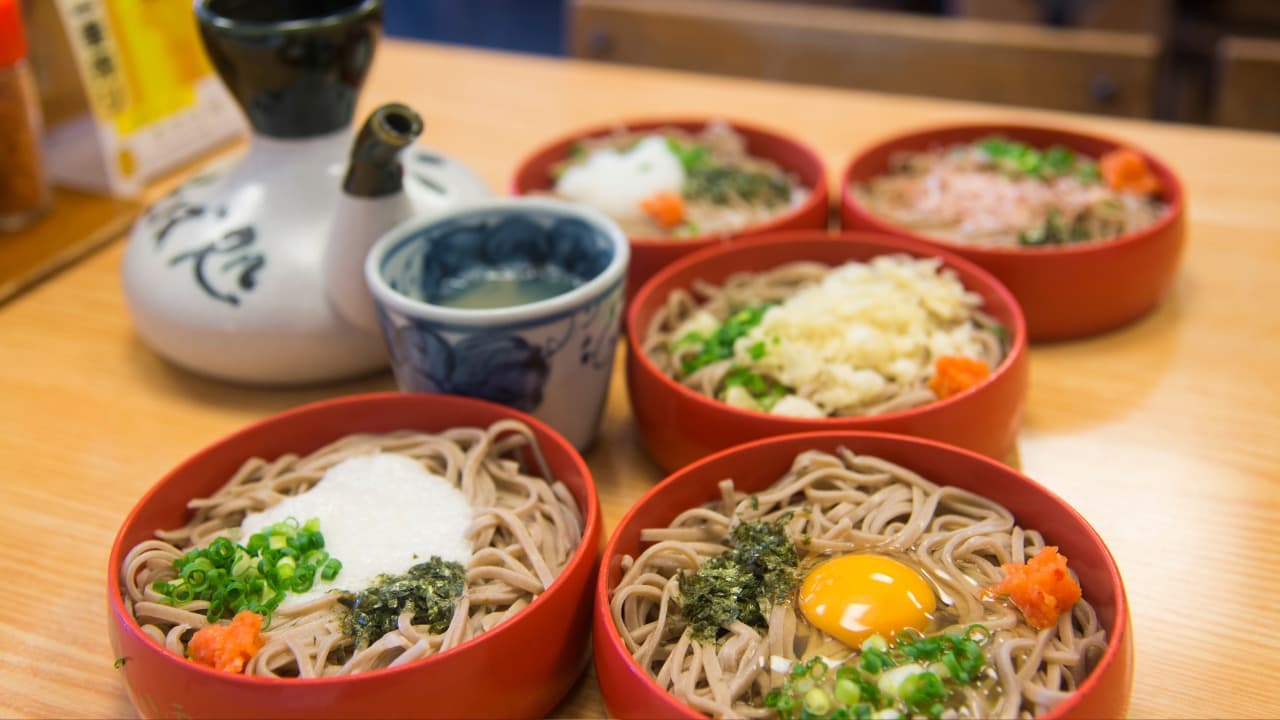
Table of Contents
About Shimane Prefecture’s Gourmet Cuisine
Shimane Prefecture is a region blessed with rich natural surroundings and beautiful scenery, where a unique food culture has developed utilizing fresh ingredients from the San’in Coast, Lake Shinji, Lake Nakaumi, and other sources. Facing both the Sea of Japan and the Chugoku Mountains, visitors can enjoy both seafood and mountain delicacies. Shimane is also known as a region rich in history and culture, and its charm can be experienced through its cuisine.
In particular, “Izumo Soba,” the “Seven Delicacies of Lake Shinji,” and “Matsue Oden” are popular as representative gourmet dishes of Shimane Prefecture. When visiting Shimane, be sure to savor these dishes and experience the unique food culture of the region.
3 Carefully Selected Gourmet Dishes of Shimane Prefecture
Izumo Soba
● The Appeal of Izumo Soba
Izumo Soba is a representative local dish of the Izumo region in Shimane Prefecture and is known as one of “Japan’s Three Great Soba,” alongside “Wanko Soba” from Iwate Prefecture and “Togakushi Soba” from Nagano Prefecture. Its characteristic feature is the noodles’ dark color and rich flavor, achieved through a milling method called “hikigurumi,” in which buckwheat grains are ground whole, including the shell.
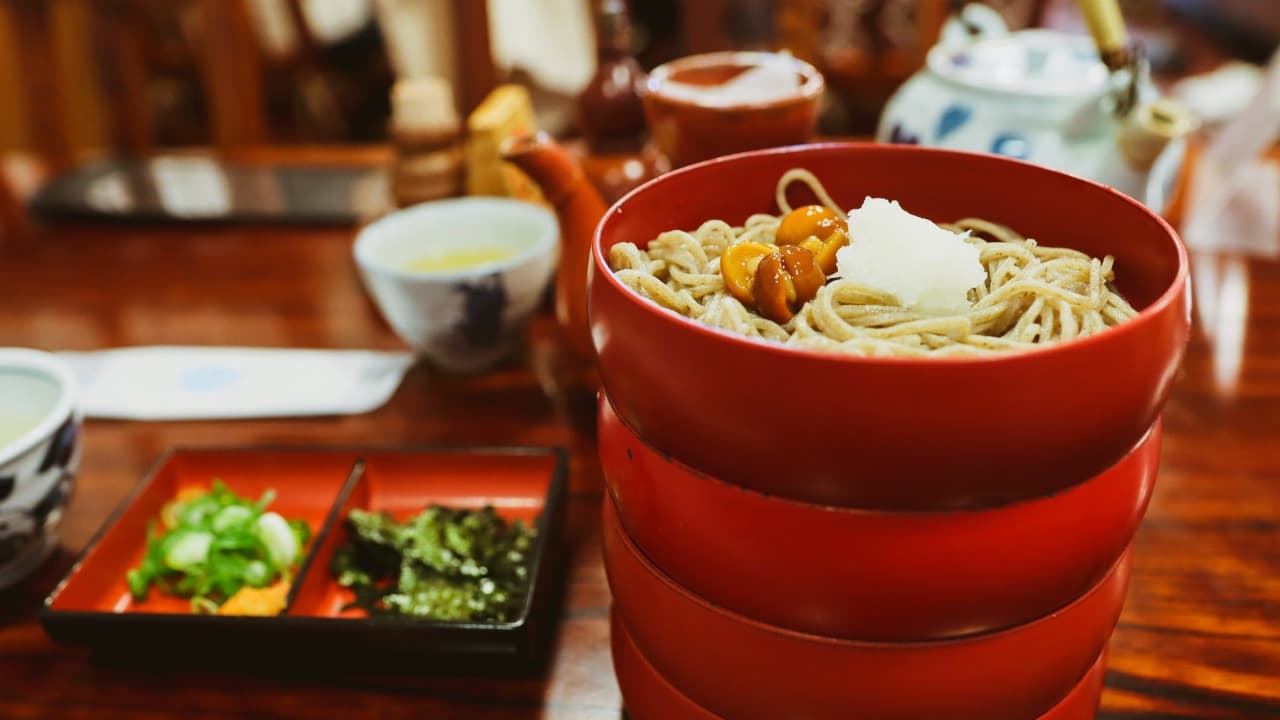
There are two representative ways to eat it: “Warigo Soba” and “Kamaage Soba.” Warigo Soba is a style where the noodles are served in round lacquerware dishes with condiments and dashi broth poured over them, characteristically presented in three stacked layers. On the other hand, Kamaage Soba features freshly boiled noodles served directly in a bowl without rinsing in cold water, enjoyed with a thick dashi broth and condiments.
● History of Izumo Soba
The history dates back to the early Edo period. In 1638, when Naomasa Matsudaira, the first lord of the Matsue Domain, was transferred from the Shinshyu Matsumoto Domain to the Matsue Domain, he brought soba craftsmen from Shinshyu (present-day Nagano), which became the catalyst for soba culture to take root in the Izumo region.
Additionally, buckwheat has been cultivated since ancient times in the Oku-Izumo area, as it could grow even in poor soil, contributing to the development of Izumo Soba.
● Where to Eat Izumo Soba!
- Restaurant Name: Izumo Soba Arakiya
- Appeal:
“Izumo Soba Arakiya,” located in Izumo City, Shimane Prefecture, is a long-established soba restaurant that has been in business since the Tenmei era (approximately 240 years ago). Using primarily locally grown Izumo buckwheat along with other domestic varieties, the noodles are carefully stone-ground to produce fragrant, firm noodles. Their signature “Warigo Soba,” served in red lacquered round dishes with traditional dashi broth made from urume sardines, offers a light and elegant flavor. - Access: About 7 minutes on foot from Ichibata Electric Railway Taisha Line “Izumo Taisha-mae Station.”
- Address: 409-2 Taisha-cho Kizuki-Higashi, Izumo, Shimane
- Google Maps: https://maps.app.goo.gl/gEZeknvwEbsoBnQr9
Seven Delicacies of Lake Shinji
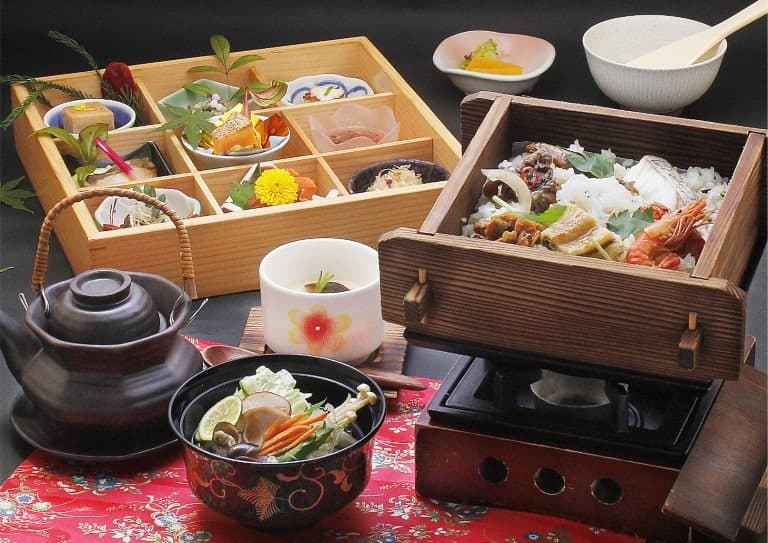
Source: Matsue Waraku Official Website
● The Appeal of the Seven Delicacies of Lake Shinji
Lake Shinji (Shinjiko) is a brackish lake spanning Matsue City and Izumo City in Shimane Prefecture. From its rich ecosystem, seven specialties known as the “Shinjiko Shitchin” (Seven Delicacies of Lake Shinji) are renowned. These are Japanese sea bass (suzuki), Moroge shrimp, eel (unagi), Japanese pond smelt (amasagi/wakasagi), whitebait (shirauo), carp (koi), and freshwater clam (shijimi), each possessing unique flavors and textures that enrich the local food culture.
These “Seven Delicacies of Lake Shinji” are ingredients nurtured by the rich nature of Lake Shinji and symbolize the food culture of Shimane Prefecture. When visiting Shimane, be sure to savor these delicacies and experience the region’s abundant food culture.
● History of the Seven Delicacies of Lake Shinji
The origin of the Seven Delicacies of Lake Shinji dates back to 1930, when Hakken Matsui, a reporter for the Shimane Shinbunsha newspaper, contributed an article titled “Ten Scenic Views and Eight Delicacies of Lake Shinji” to the Shoyo Shinbun (now San’in Chuo Shimpo), modeled after the Ten Scenic Views of West Lake in China. Later, Hideyuki Araki proposed the “Four Lake Fish Delicacies,” popularizing the concept of delicacies among Matsue residents.
In 1958, when land reclamation of Lake Nakaumi was planned, the “Farewell to the Lake Association” was formed, which actively promoted the lake’s delicacies. It is believed that this is when the term “Seven Delicacies of Lake Shinji” was born.
● Where to Eat the Seven Delicacies of Lake Shinji!
- Restaurant Name: Matsue Waraku
- Appeal:
“Matsue Waraku” is a popular restaurant that generously uses the Seven Delicacies of Lake Shinji in its cuisine. Their lunch-only “Shinjiko Shitchin Seiro Zen” is a signature dish that allows you to enjoy the seven delicacies in a special steamer basket, praised for both its beautiful presentation and deep flavors. The restaurant also features a large aquarium, and dishes made with fresh seafood are a major attraction. - Address: 565 Mitesenba, Matsue, Shimane
- Access: 3 minutes on foot from JR Matsue Station
- Google Maps: https://maps.app.goo.gl/aekCGxh5ziNEVEue8
Matsue Oden
● The Appeal of Matsue Oden
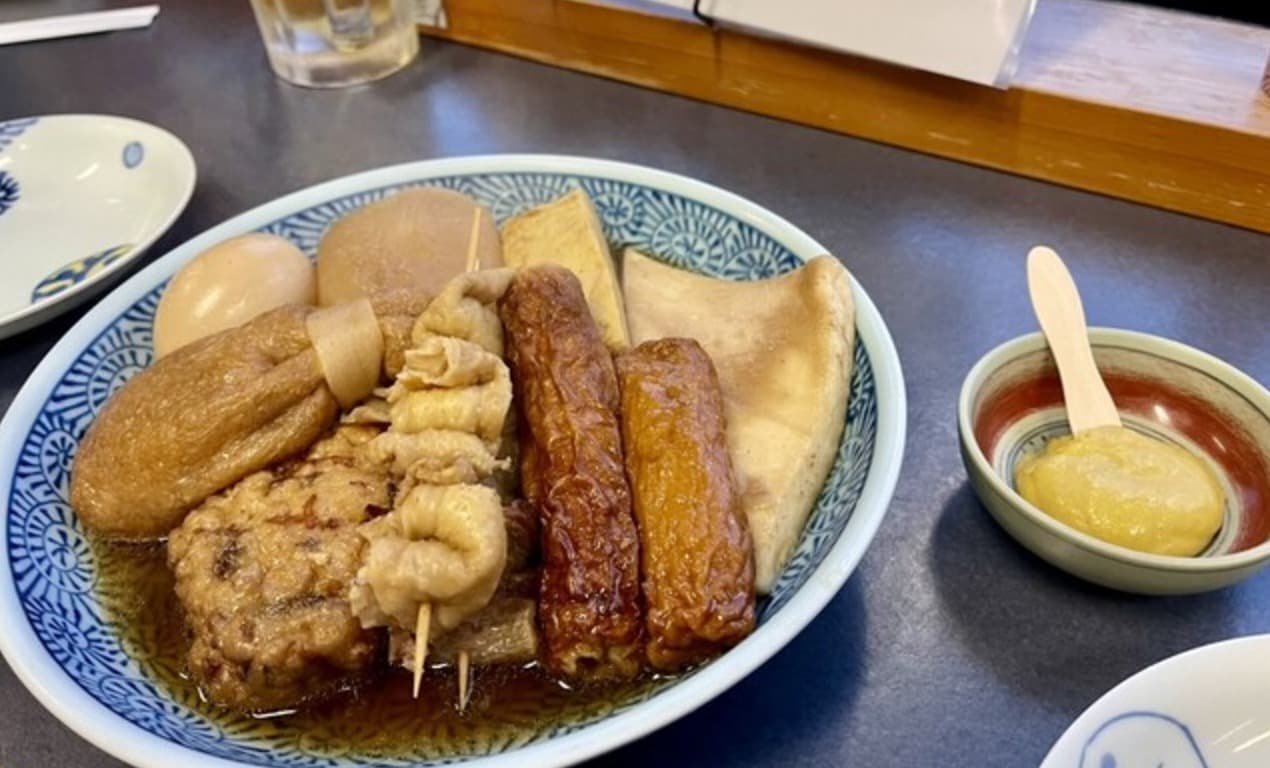
Matsue Oden is a local dish that has been cherished in Matsue City, Shimane Prefecture since ancient times. Its distinctive feature is the use of locally grown leafy vegetables such as seri (Japanese parsley) and shungiku (chrysanthemum greens) as ingredients, along with seasonal seafood. In particular, the leafy vegetables are briefly dipped in the oden broth before eating, allowing diners to enjoy their crisp texture and flavor.
Matsue City has many oden restaurants, each offering their own unique broth and ingredients. For example, some shops use locally sourced ago (flying fish) broth, while others offer condiments like yuzu miso or butterbur sprout miso, providing a rich variety of options.
● History of Matsue Oden
The history of Matsue Oden dates back to the Edo period. At that time, Lord Fumai Matsudaira, the 7th lord of the Matsue Domain and also known as a tea master, brought back “Imadegawa Tofu” (tofu simmered in soy sauce), which was popular in Kyoto, to Matsue and spread it among the common people. This is said to be the origin of modern Matsue Oden, and over many years it became deeply rooted in the community.
● Where to Eat Matsue Oden!
- Restaurant Name: Oden Shosuke
- Appeal:
“Oden Shosuke” is a long-established restaurant that serves Matsue Oden featuring locally grown leafy vegetables, a hallmark of this regional dish. Their style of briefly dipping leafy greens like shungiku and pea sprouts in the oden broth is particularly popular, allowing diners to fully enjoy the local flavors. Located along a river, window seats offer beautiful scenery while dining, creating a wonderful atmosphere. - Address: 16 Hakkenya-cho, Matsue, Shimane
- Access: About 12 minutes on foot from JR Matsue Station
- Google Maps: https://maps.app.goo.gl/Qr715yjafWgW8gMg6